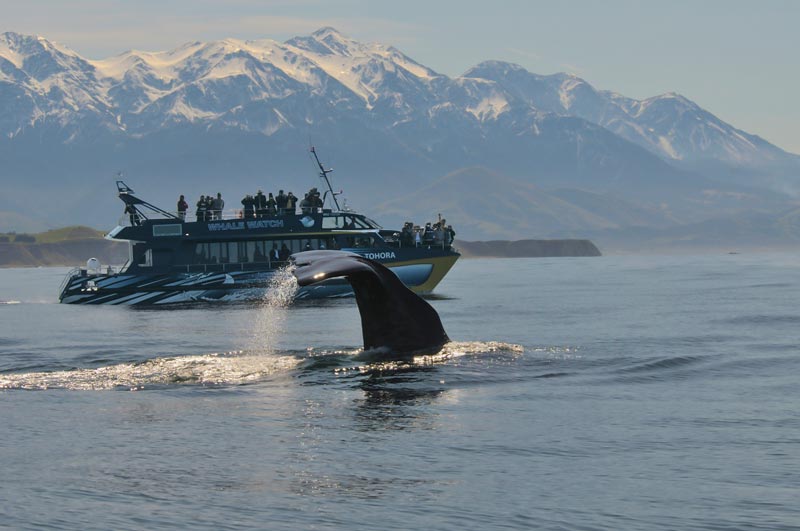
3 hr 30 min
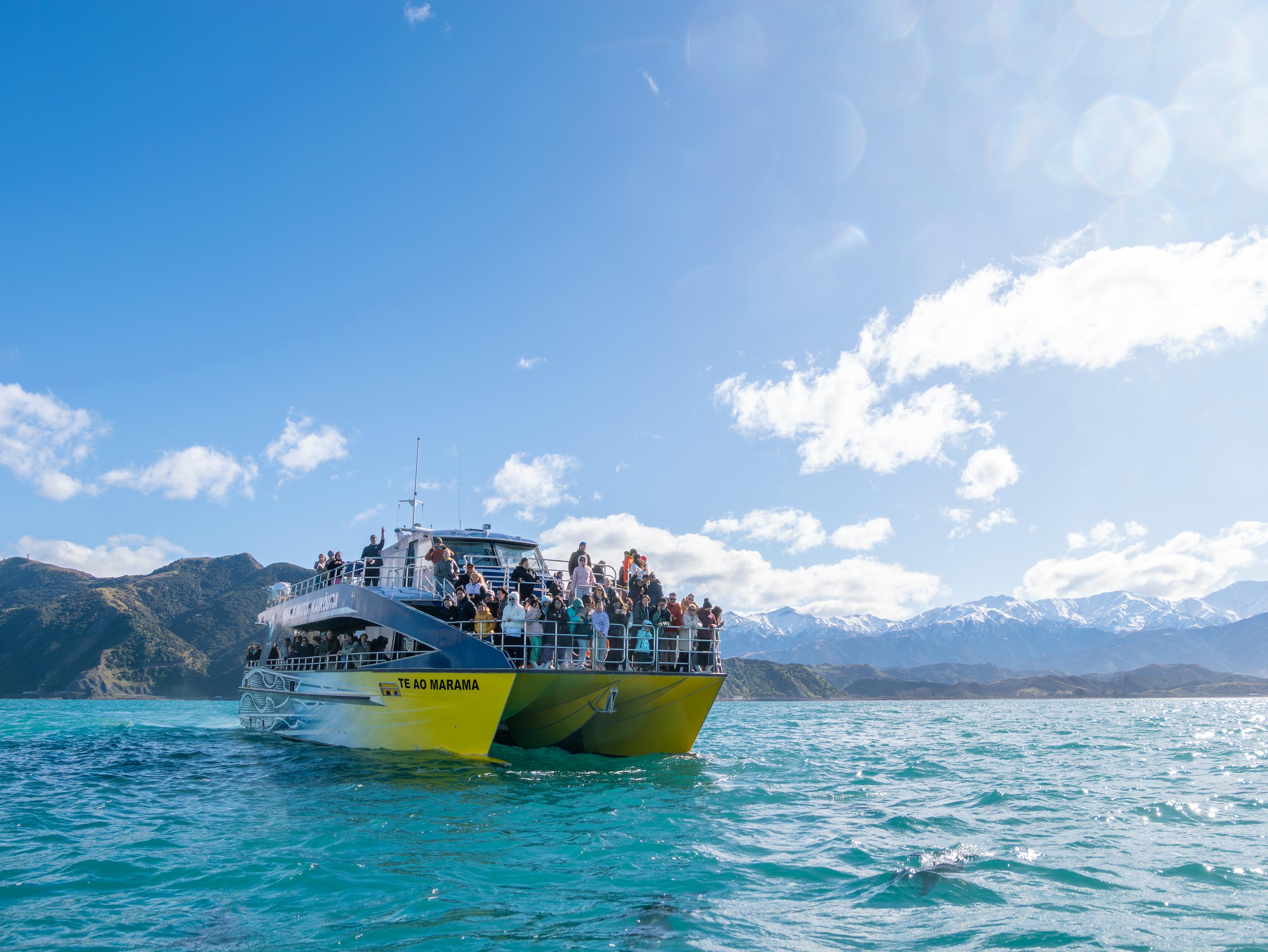
Kaikoura Whale Watching Catamaran Experience
- Entry ticket
- Mobile voucher
- Valid same day
- Free cancellation
Kaikoura Whale Watching Flight — Aerial Marine Encounters
Witness giants from above, where ocean meets alpine horizon.
Compare fares, pick the fit — all bookings are mobile-voucher and eligible for free cancellation where shown.
3 hr 30 min
30 min
10 hr
Selecting the right kaikoura whale watching flight allows you to experience the marine majesty of the Kaikōura Canyon from a unique aerial vantage point. These kaikoura whale watching flight tours offer distinct ways to observe sperm whales and dusky dolphins while avoiding the typical motions of sea-based excursions.
|
Top pick Fixed-Wing Aircraft Panoramic Coastal Views |
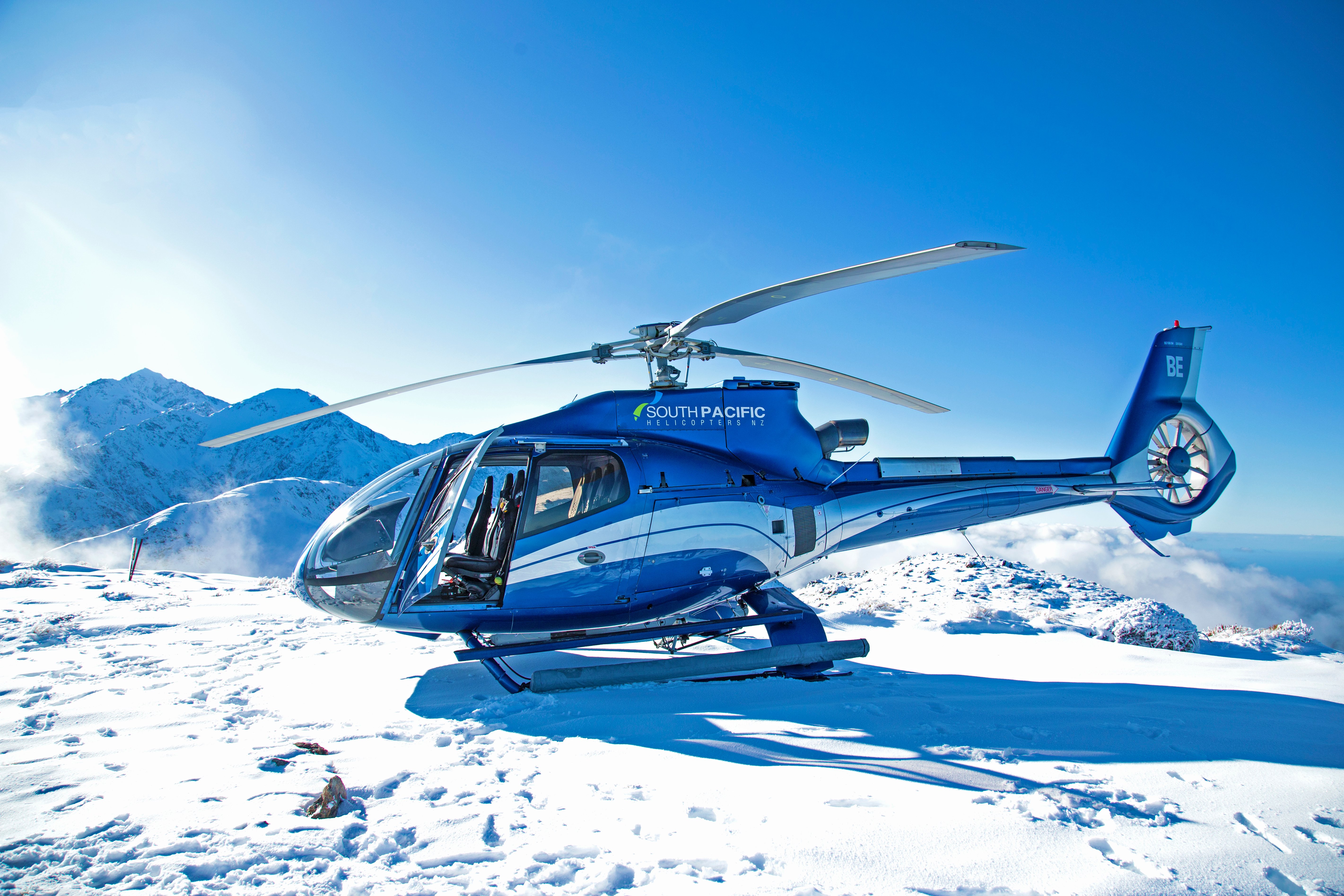
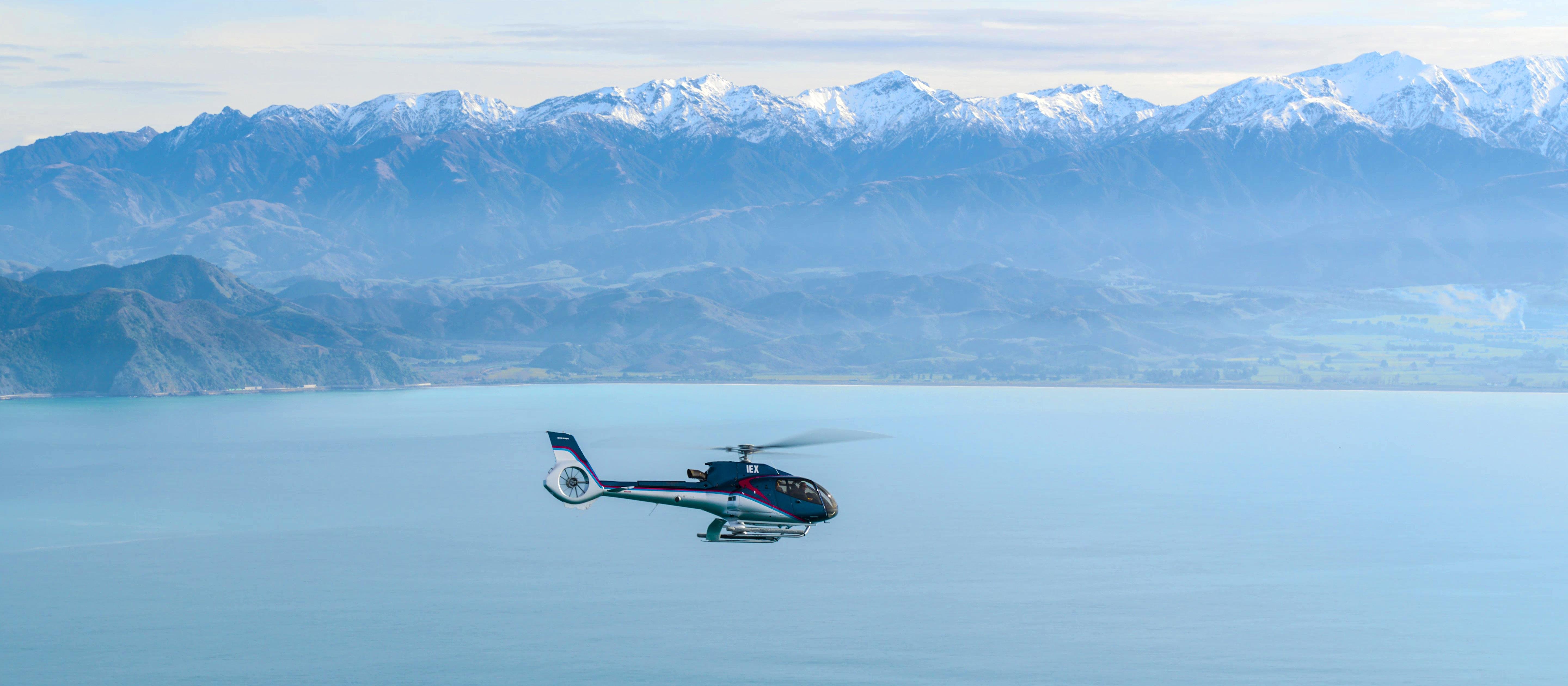
Helicopter Low-Altitude Aerial Thrill | |
|---|---|---|
| Duration | 30–40 minutes | 15–60 minutes |
| Vantage Point | High-wing window seat | Low-altitude hovering |
| Best for | First-timers and scenery | High-end thrill seekers |
| Included | Guided commentary | Headsets with commentary |
| See tickets & prices |
Verdict: Book the fixed-wing option for optimal panoramic views, or choose the helicopter if you prefer a customized flight tour with a more intimate aerial perspective.
Worth it for time-pressed visitors seeking guaranteed sightings
A kaikoura whale watching flight delivers what boat tours cannot: aerial perspective and time efficiency. While the standard vessel-based tour costs 175 NZD and takes 2.5–3 hours on water, aerial whale watching tours compress the experience into 30-minute flights that cover vastly more ocean territory. Sperm whales surface predictably in the Kaikoura Canyon, and pilots communicate with spotters to locate pods before takeoff—sighting rates consistently exceed 95 percent. The altitude advantage reveals migration patterns, dusky dolphin superpods, and the full scale of the continental shelf that boat passengers never see. For photographers, the unobstructed sightlines and stable platform beat wave-tossed decks. The premium over boat tickets pays for mobility: flights scan 80+ kilometers of coastline per departure, while catamarans patrol fixed routes. If you're prone to seasickness, have limited daylight hours, or want comprehensive marine wildlife coverage beyond whales—including New Zealand fur seal colonies and seasonal orca—kaikoura whale watching flight tours justify their cost. Budget travelers and those who prioritize close encounters will find better value at sea level.
Bottom line: Aerial whale watching tickets trade proximity for efficiency, turning a half-day commitment into a comprehensive 30-minute wildlife survey that boat tours cannot match.
The catamaran offers intimate wildlife encounters, whereas a kaikoura whale watching flight provides expansive views of the coastline and deep-sea marine mammals. Travelers often book kaikoura whale watching flight tickets when they prioritize geography over physical proximity to the marine life.
|
Top pick Whale Watching Flight |
Catamaran Experience | |
|---|---|---|
| Viewpoint | Aerial panorama | Water level perspective |
| Proximity to whales | High altitude | Close range visibility |
| Weather dependence | High wind sensitivity | Moderate sea state sensitivity |
| Duration | 30–45 minutes | 2.5–3 hours |
| Motion sickness risk | Negligible | Moderate to high |
| Accessibility | Limited boarding | Standard vessel access |
| See tickets & prices |
Verdict: Those seeking a time-efficient bird's-eye view should choose a kaikoura whale watching flight tour, while those desiring a prolonged sea-level marine encounter should opt for the catamaran.
Hand-picked experiences loved by thousands of travelers
45 minutes
Free Cancellation
Fly above New Zealand's stunning coastline to witness giant sperm whales from the air on this unforgettable aerial adventure
25 minutes
Free Cancellation
Soar above Kaikoura's dramatic coastline and snow-capped peaks on this scenic 25-minute flight
10 hours
Free Cancellation
Explore New Zealand's stunning coastline with a scenic flight over marine giants and dramatic landscapes
45 minutes
Free Cancellation
Soar above the Pacific to witness migrating whales, playful dolphins, and mountain peaks on this aerial adventure
1 hour
Free Cancellation
Soar above the ocean to spot whales from the air, then land high in the mountains for stunning coastal views.
Confirm booking at The Whaleway Station
Review flight procedures and marine protocols
Aerial observation of marine life
Return to base and post-flight debrief
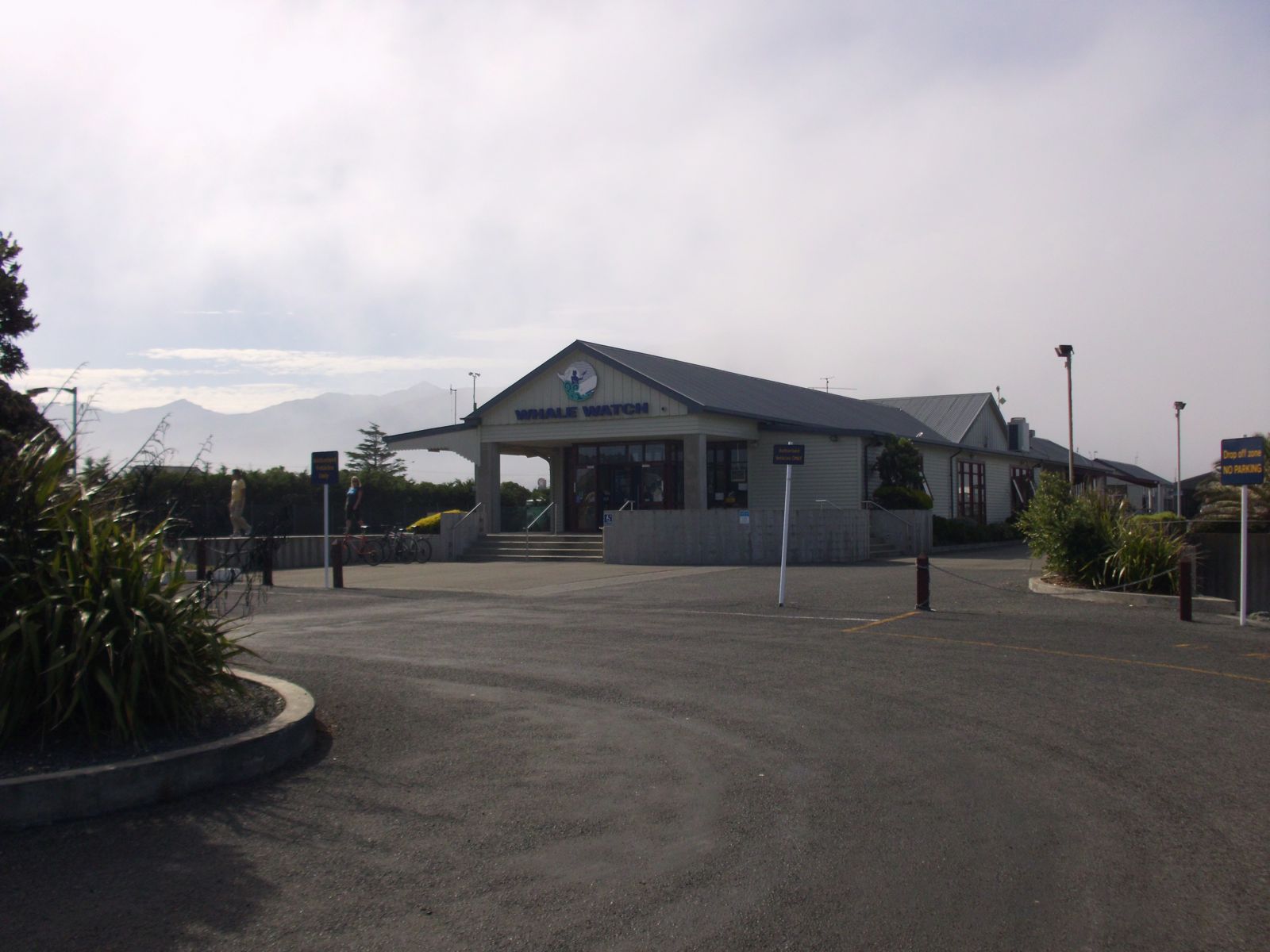
The central hub for all departure operations and safety briefings for every kaikoura whale watching flight.
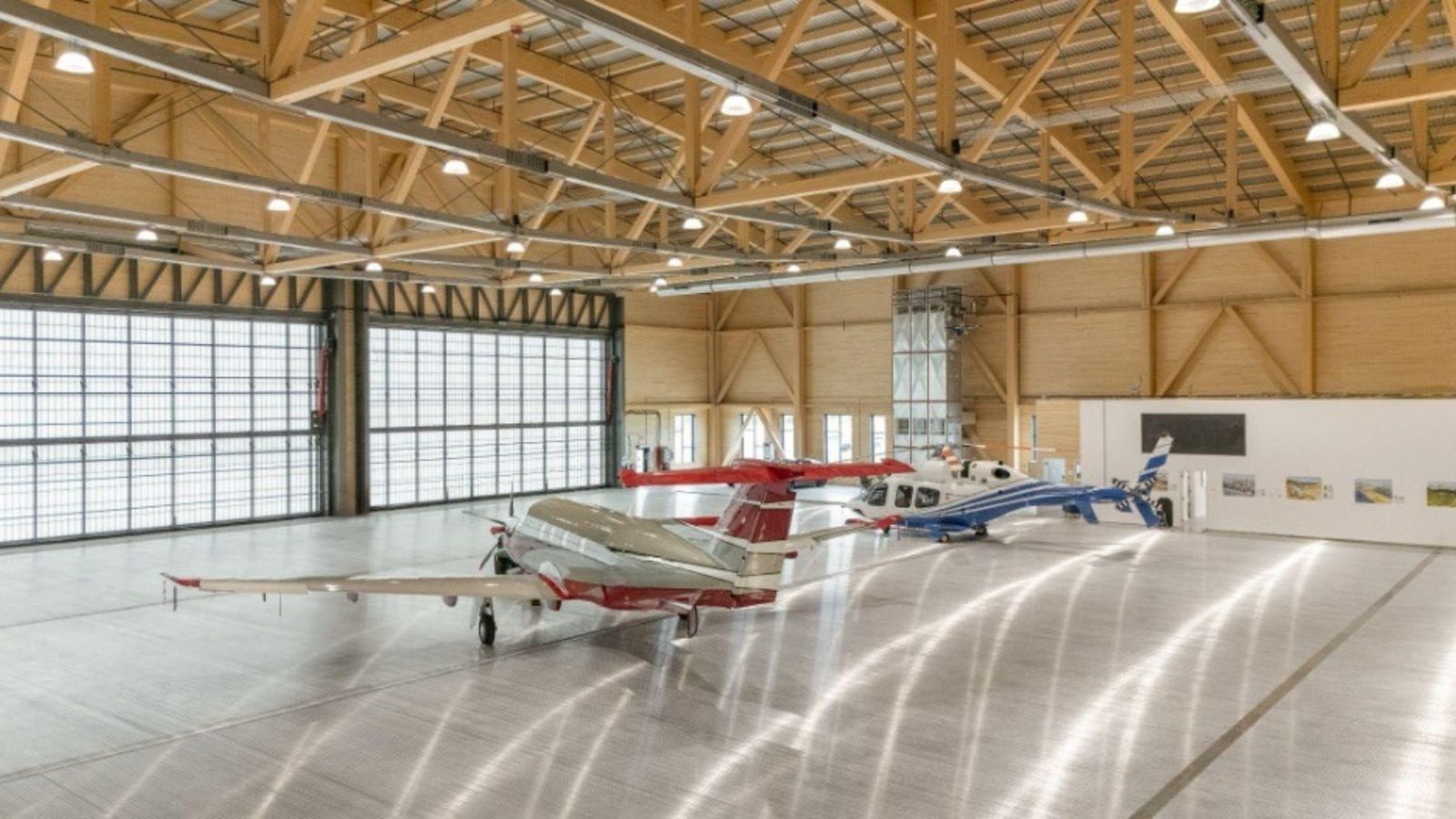
The specialized facility housing aircraft used for each kaikoura whale watching flight.
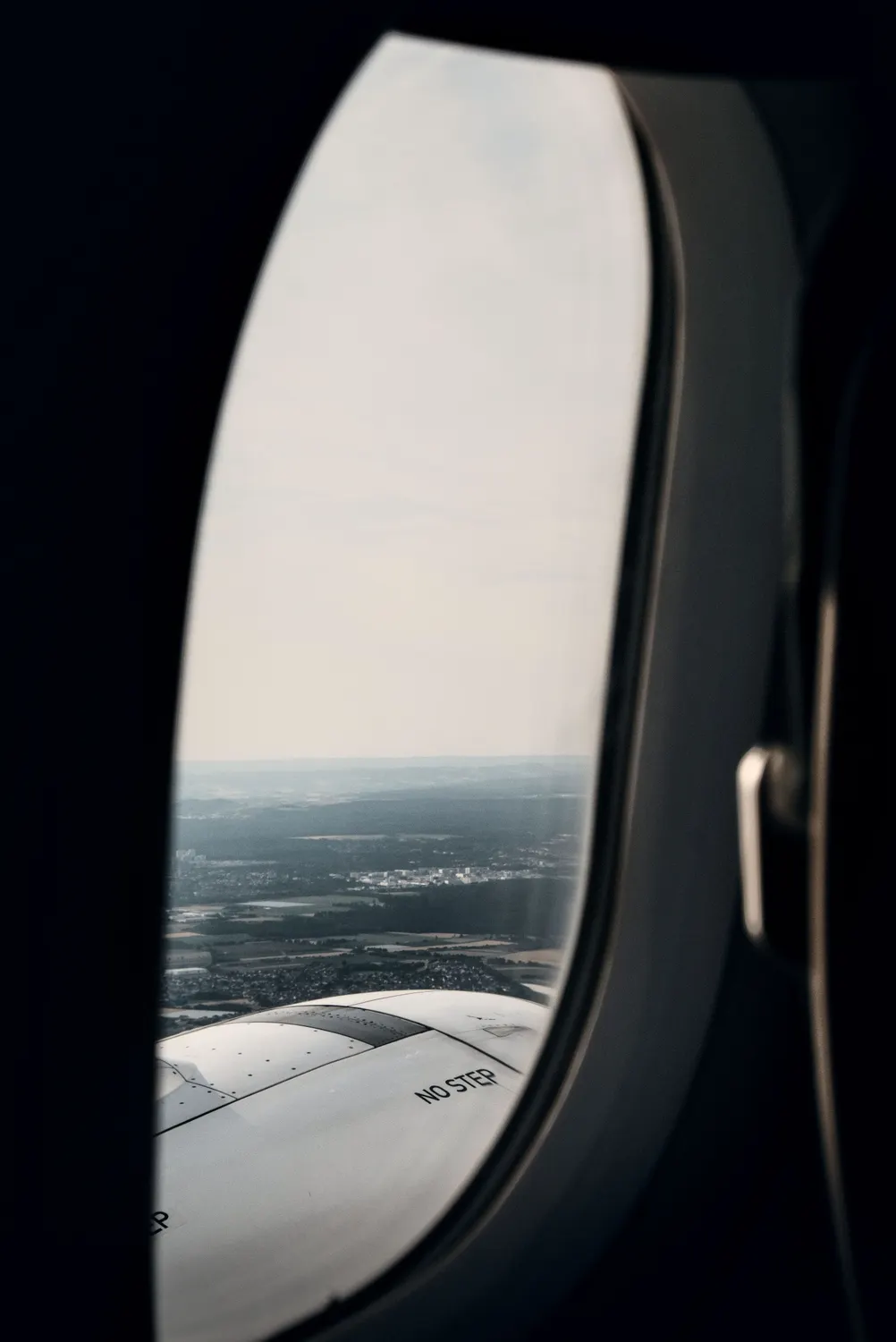
Specifically designed windows providing an unobstructed view for your kaikoura whale watching flight.
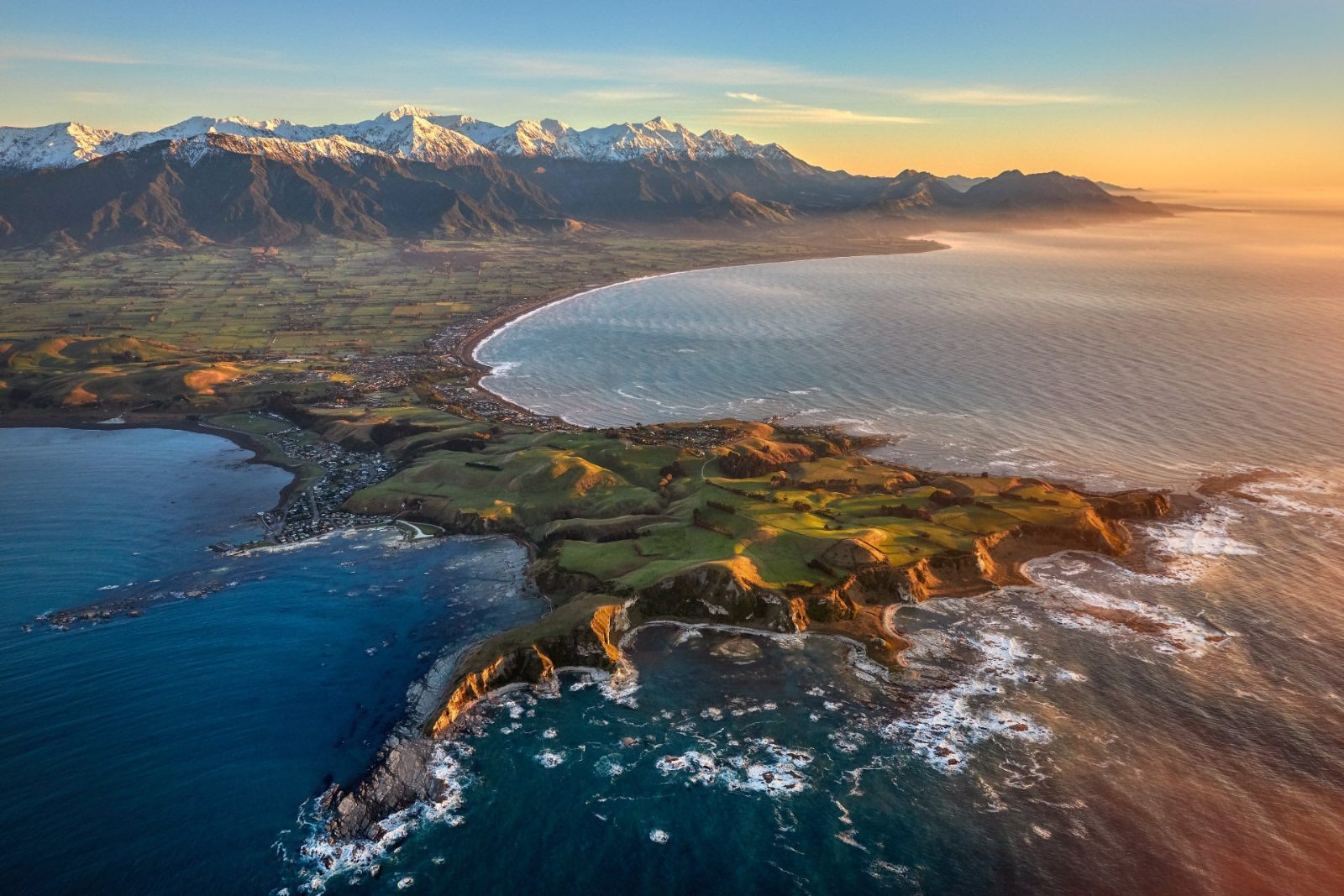
The restricted flight path used to observe marine life during a kaikoura whale watching flight.
Advanced tracking technology used to locate whales for your kaikoura whale watching flight.
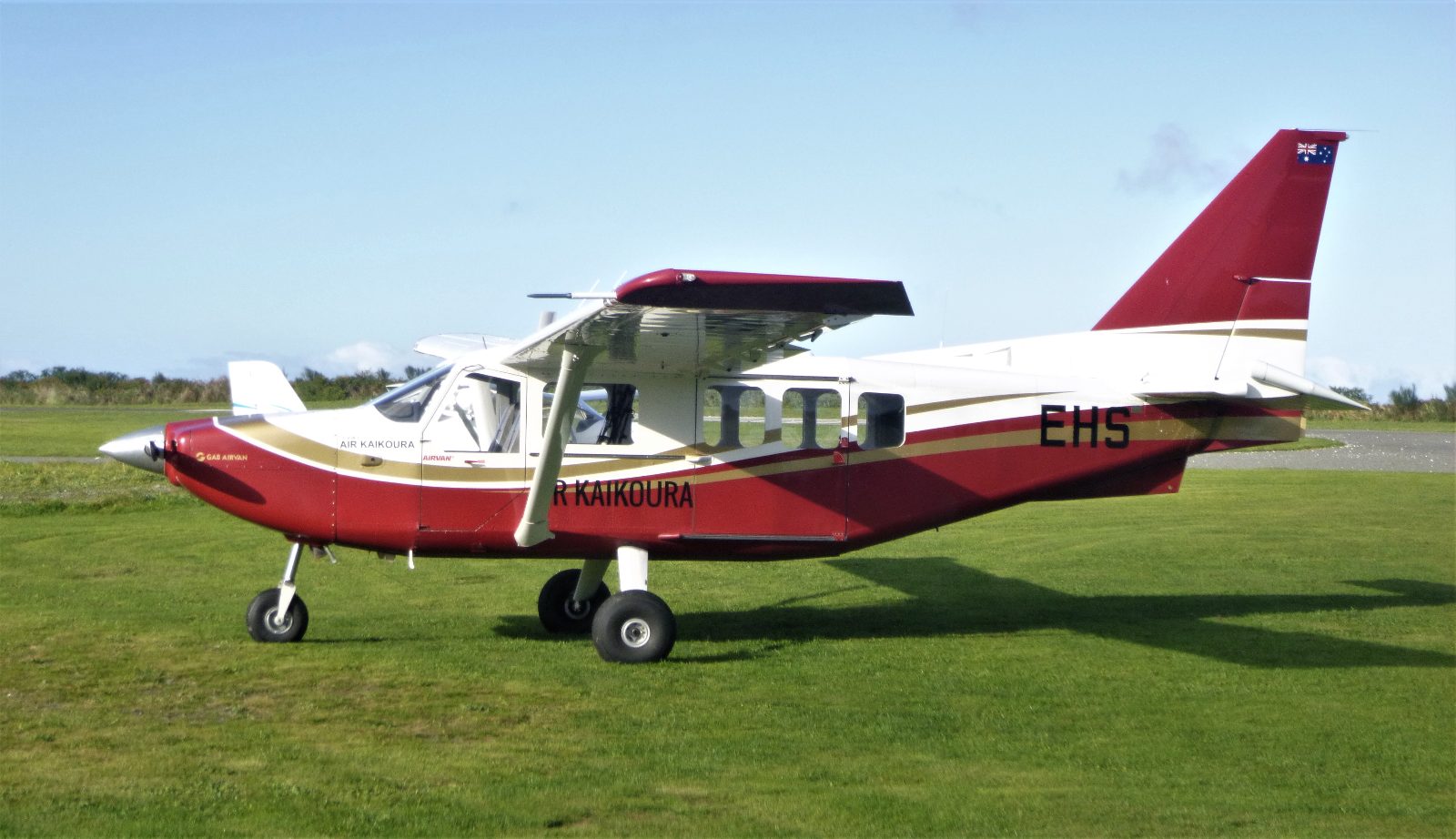
You arrive at the airstrip 20 minutes before departure, where your pilot conducts a five-minute safety briefing and assigns seating based on weight distribution. The Cessna's high-wing design positions you beside unobstructed Plexiglas panels; helicopter passengers receive forward-facing bubble seats.
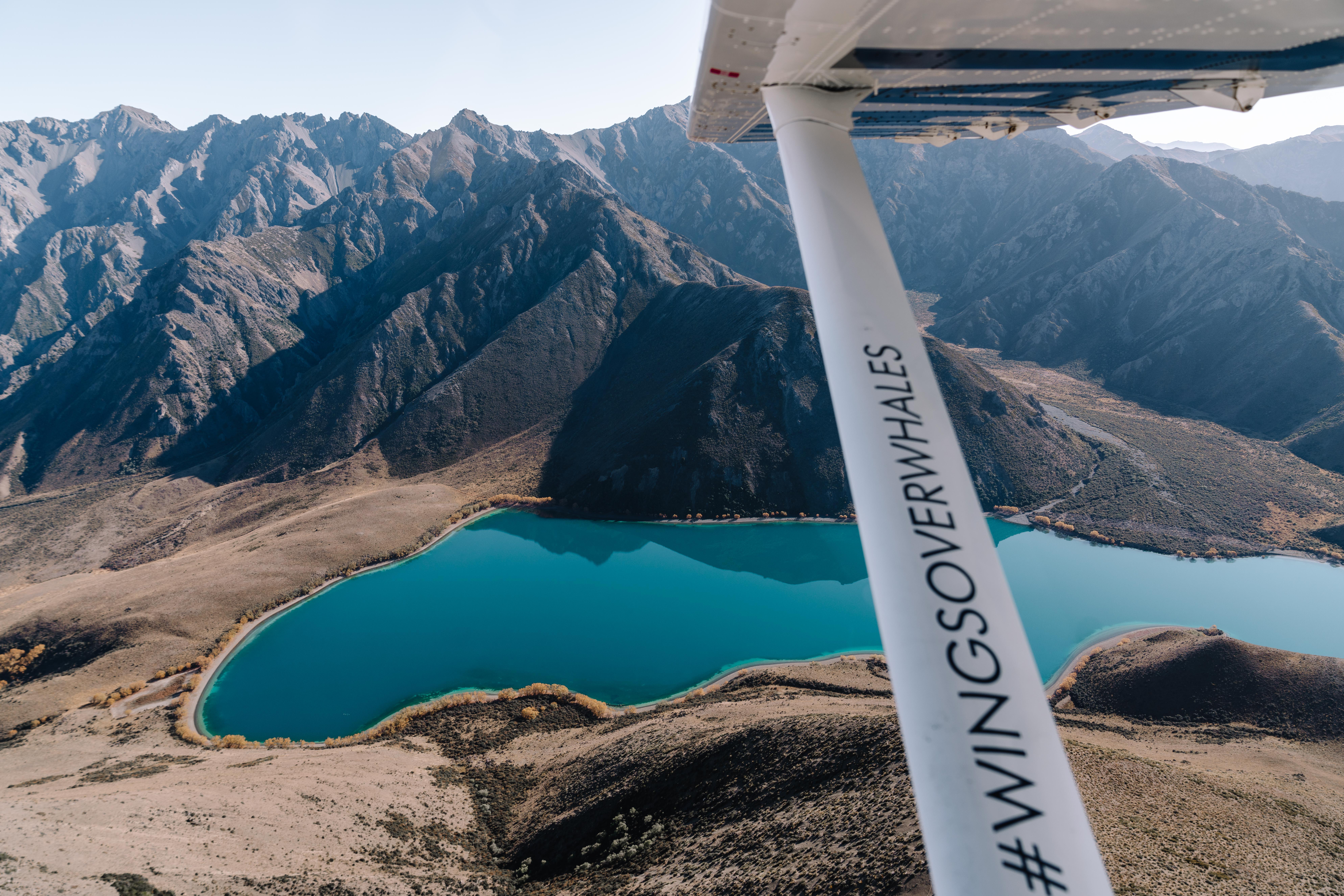
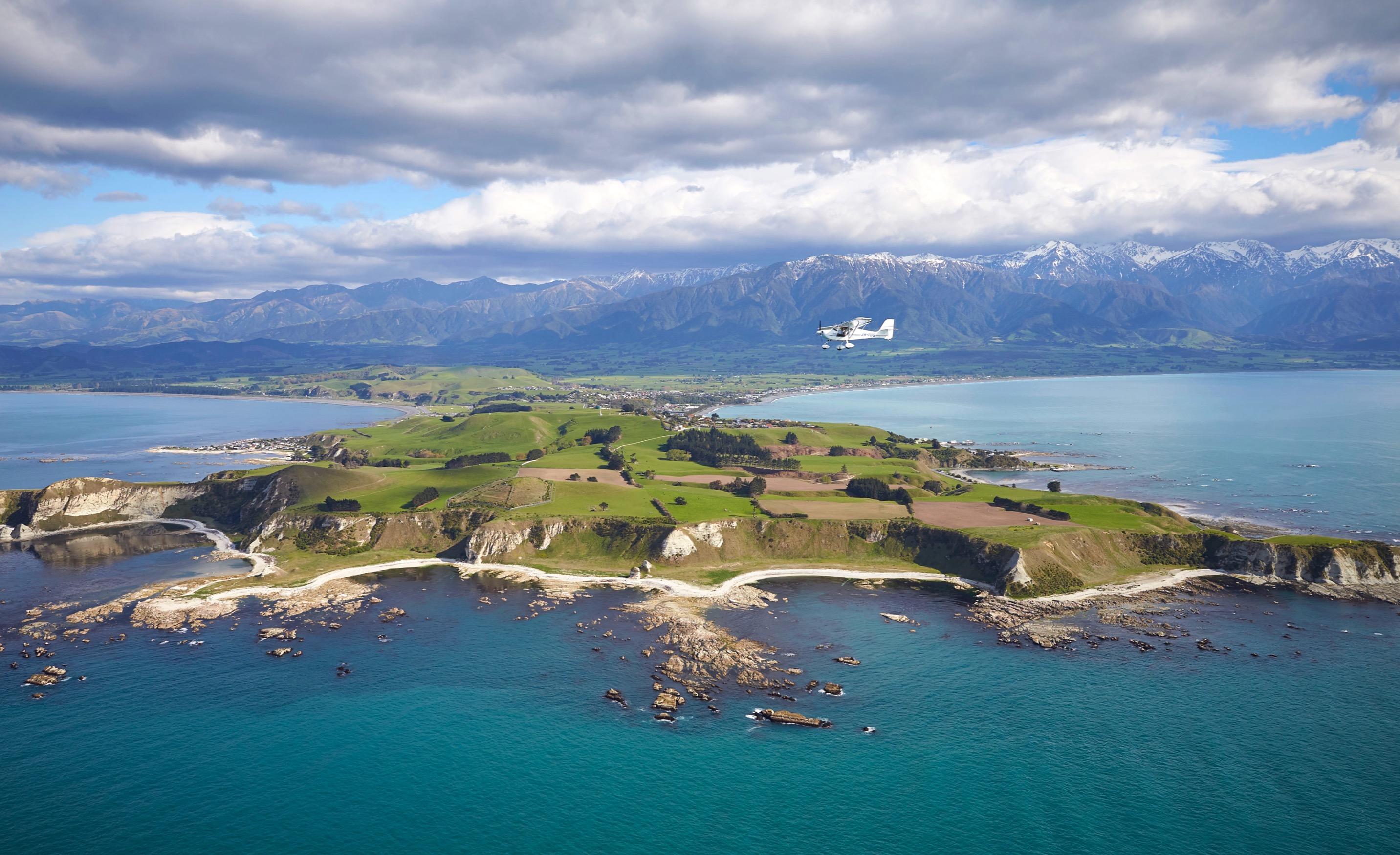
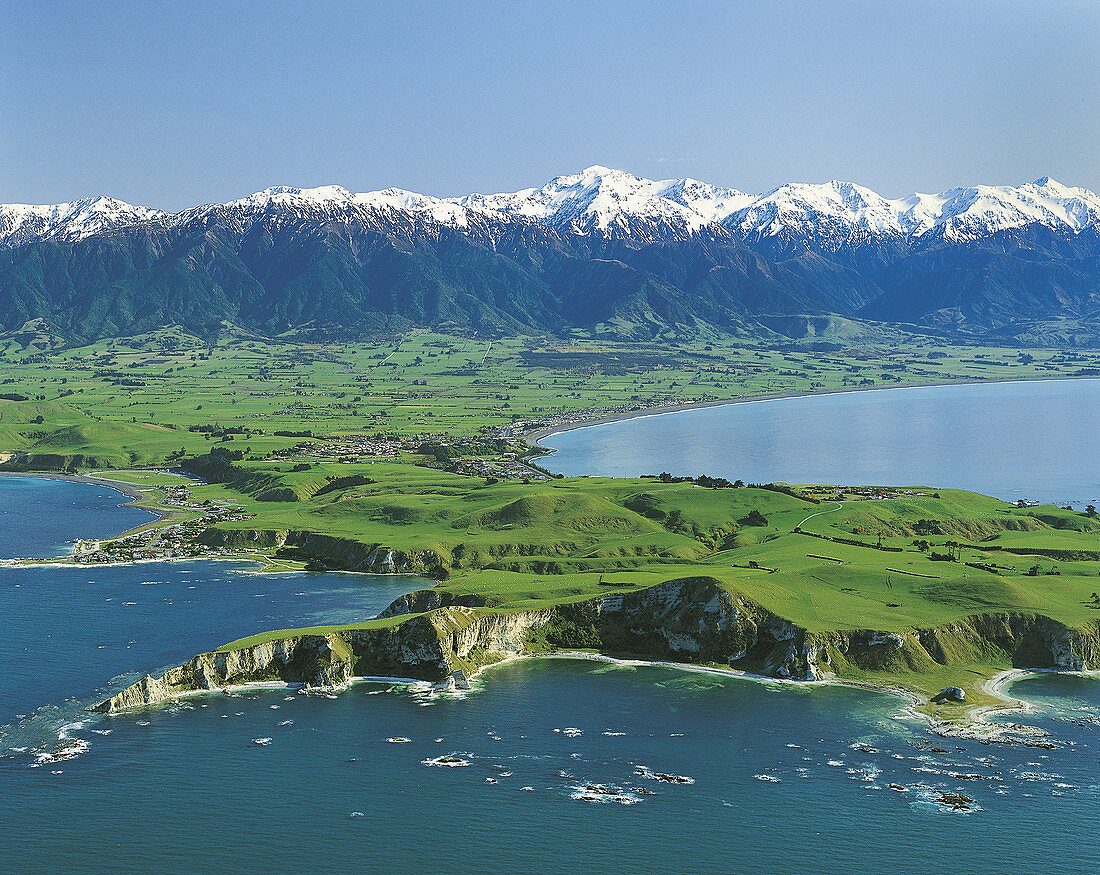
Headsets crackle to life as the aircraft climbs northeast over the Kaikoura Peninsula, the Seaward Kaikoura Range rising 2,600 metres to your left.
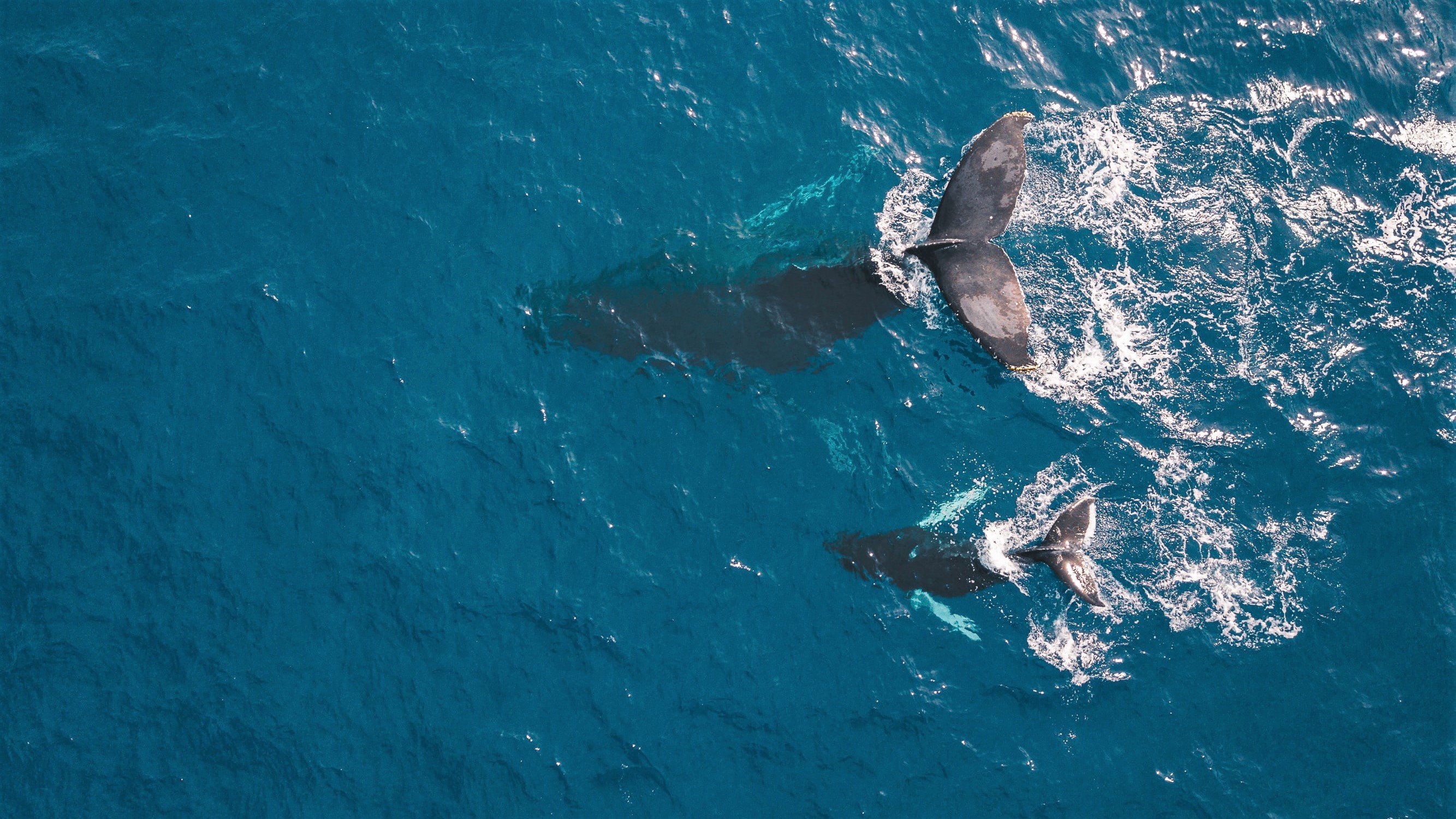
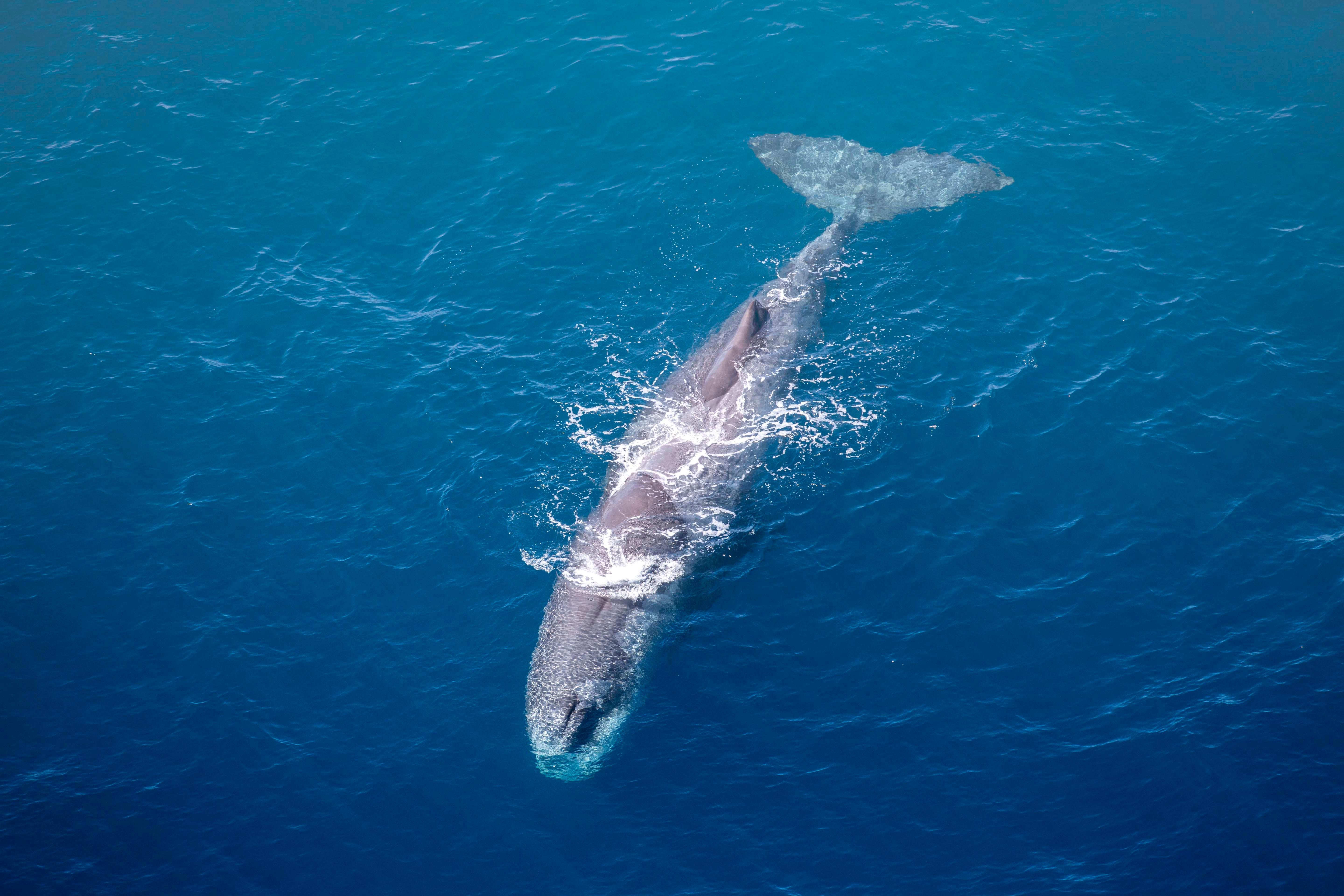
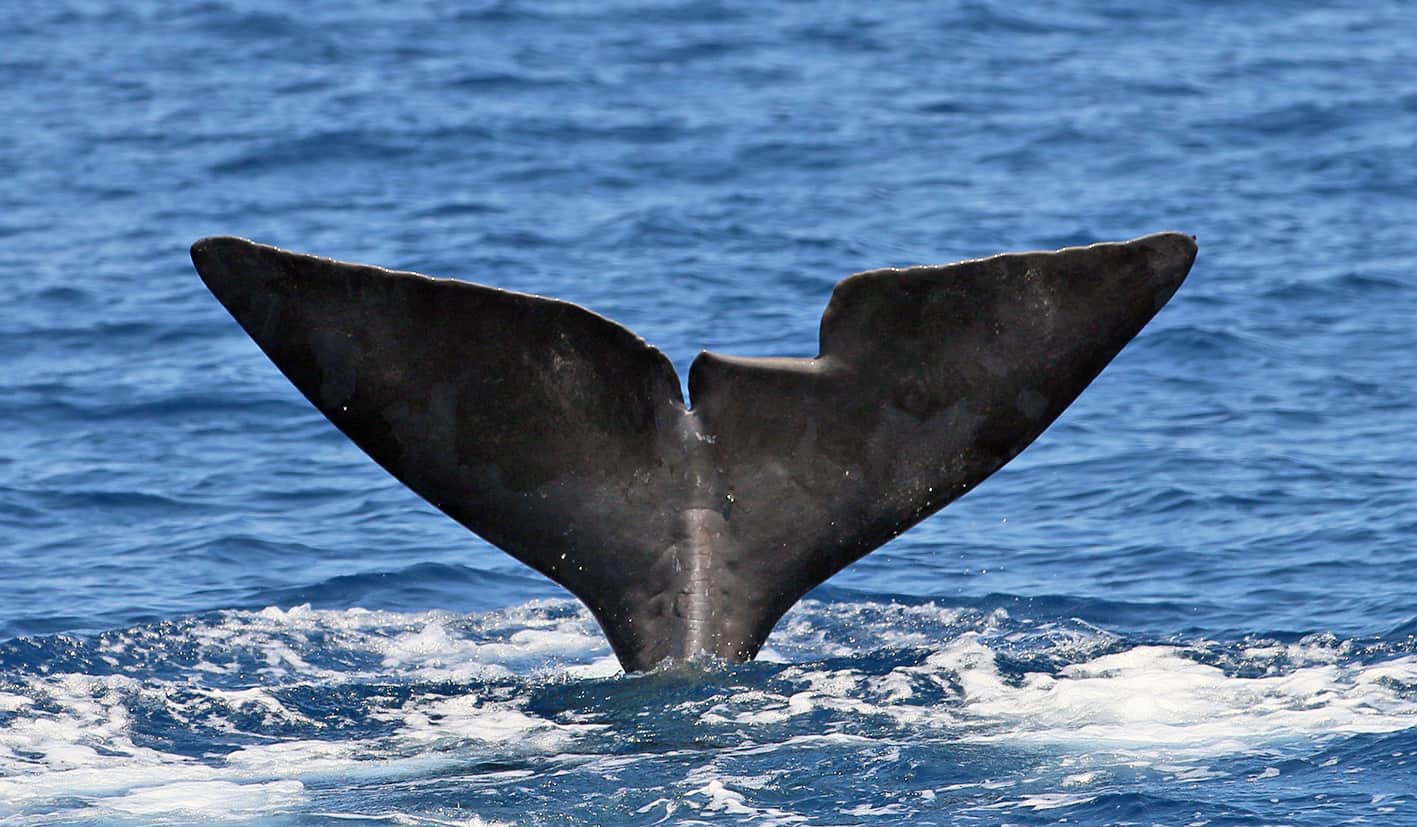
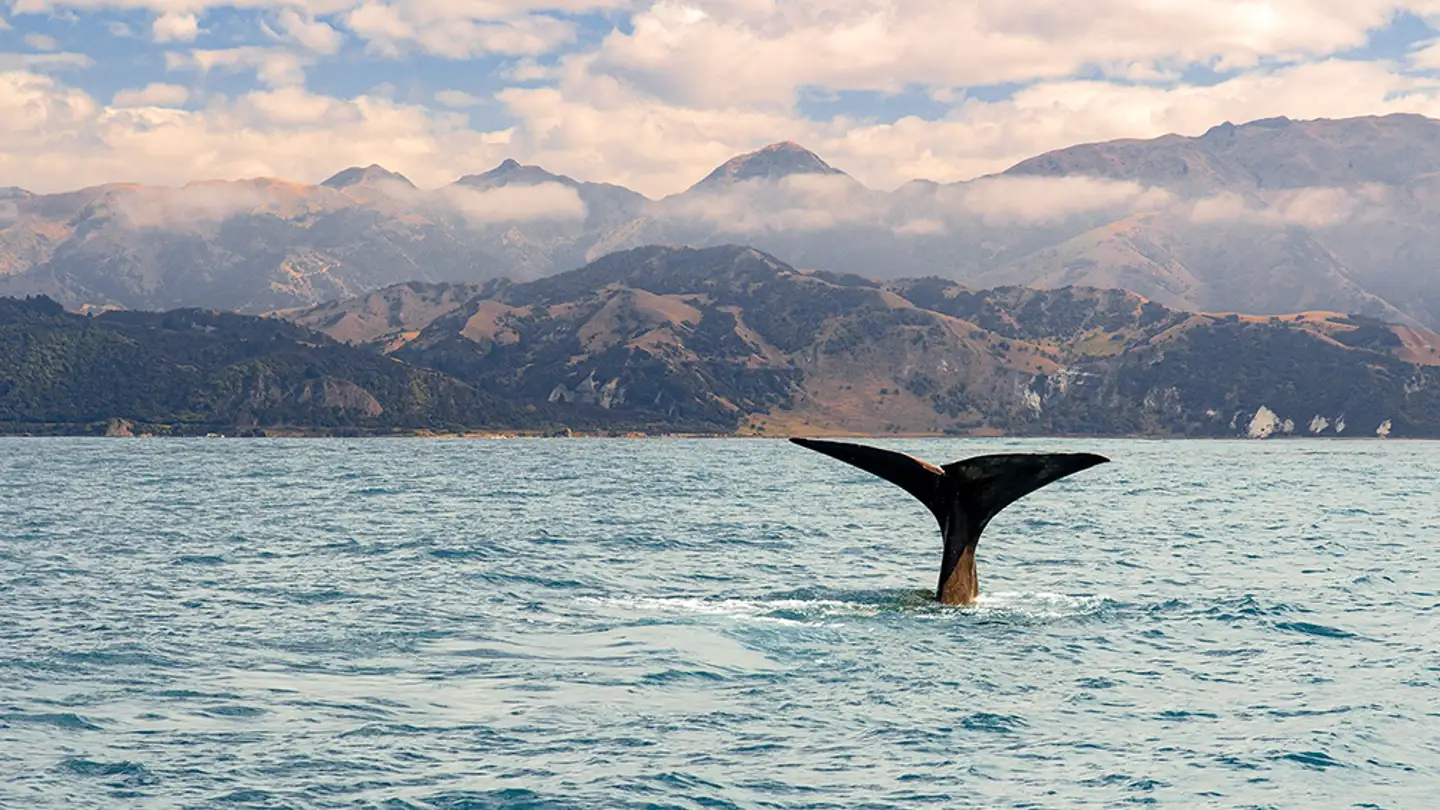
At 500 feet, the pilot banks right, following the canyon's edge. You scan the water for the telltale mist of a whale blow, and within three minutes, a sperm whale surfaces 400 metres ahead, its massive head breaking through calm swells. The aircraft descends slightly for a parallel pass; you count six seconds before the whale arches its back and flukes descend, the broad tail stock silhouetted against deep blue. Your pilot notes the sighting coordinates, then vectors south where a dolphin pod churns the surface into foam.
The return leg traces the coastline, revealing fur seal colonies on rocky platforms and the town's compact grid pressed between mountains and sea. Thirty minutes after takeoff, you touch down with unobstructed photographs and a spatial understanding of Kaikoura's marine geography no boat tour could provide.
All the details about your upcoming adventure in one place
Kaikoura's continental shelf drops 1,600 metres within two kilometres of shore, creating one of the planet's most accessible deep-water marine ecosystems.
The submarine canyon funnels nutrient-rich cold currents upward, sustaining resident populations of sperm whales year-round alongside migrating humpbacks, orcas, and dusky dolphins. What vessel-based operators discovered in 1987, aviation pioneers adapted a decade later: fixed-wing aircraft and helicopters could cover the canyon's 60-kilometre length in minutes, revealing aggregation patterns invisible from sea level.
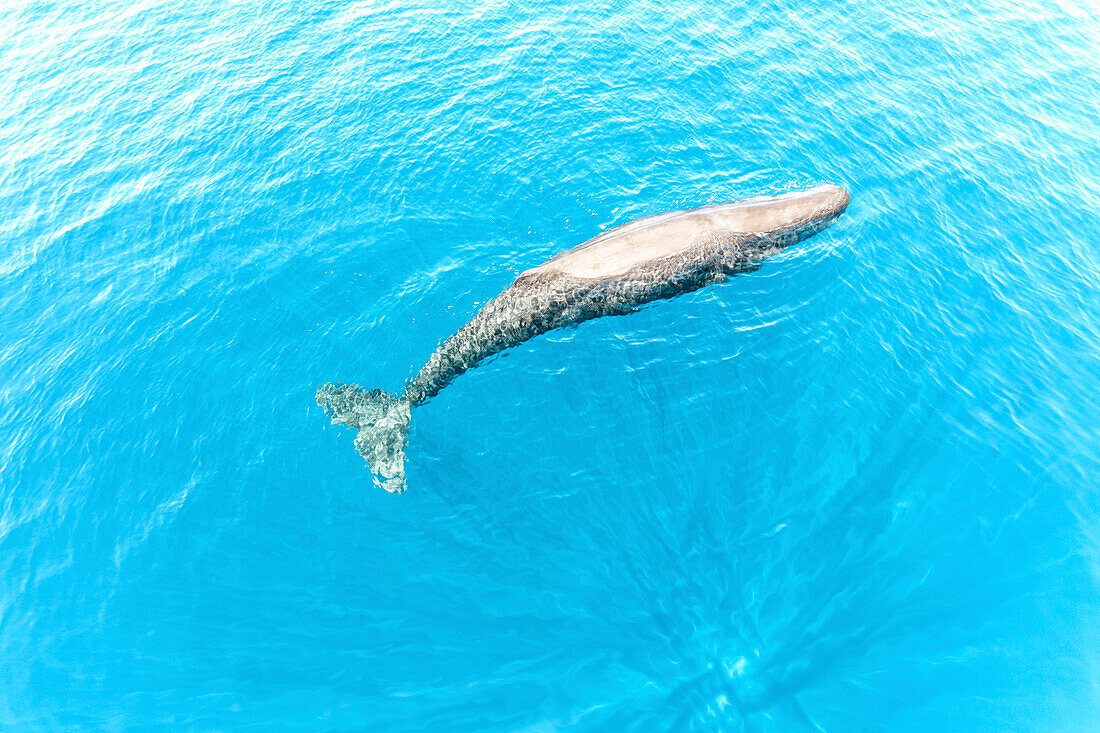
A kaikoura whale watching flight departs from small airstrips flanking State Highway 1, typically operating Cessna 172s or Robinson R44 helicopters fitted with bubble windows and noise-cancelling headsets. Pilots follow coastal vectors south toward Goose Bay or north past Ohau Point, maintaining 500-foot minimum altitudes per Civil Aviation Authority protocols. Sperm whales surface predictably every 45 minutes after deep dives exceeding 1,000 metres; from above, their 18-metre bodies appear as dark torpedoes against turquoise water, blow spouts visible three kilometres distant. Dusky dolphins travel in super-pods of 300 individuals, their synchronised leaps creating white-water trails legible only from altitude.
The aerial perspective solves problems inherent to marine observation. Sea state and swell limit vessel operations 30 percent of winter days; aircraft operate in Beaufort Force 5 winds that ground catamarans. Flight durations compress to 30-minute sorties versus three-hour sea expeditions, accommodating cruise passengers on tight port calls. Cameras capture unobstructed overhead frames impossible through boat railings or acrylic portholes. Pilots coordinate via VHF radio with surface spotters and Department of Conservation observers, triangulating whale positions in real time.
Kaikoura's airborne whale watching industry remains deliberately small-scale. Four operators share morning departure slots from Peketa and South Bay airstrips, flying no more than six circuits daily to minimise acoustic disturbance. The Kaikoura Marine Mammal Sanctuary regulations prohibit circling individual animals; pilots execute single passes before repositioning. This restraint distinguishes New Zealand's model from high-volume aerial tourism elsewhere, preserving the canyon ecosystem that makes these encounters possible.

The submarine canyon funnels nutrient-rich cold currents upward, sustaining resident populations of sperm whales year-round.
Wear warm, layered clothing as cabin temperatures at altitude can be cooler than at sea level. Flat, comfortable footwear is required for boarding your kaikoura whale watching flight.
Small personal bags are permitted but must be stowed securely during flight. Security screening is in place at the terminal before your kaikoura whale watching flight.
Photography is encouraged, though cameras must be secured with a strap. Avoid using flash inside the aircraft to prevent reflections during your kaikoura whale watching flight.
Children are welcome on board when accompanied by an adult. Safety restraints are provided for all passengers on every kaikoura whale watching flight.
The terminal is accessible for passengers with mobility requirements. Please notify staff in advance if you require assistance boarding the aircraft for your kaikoura whale watching flight.
No food or beverages are served on board the aircraft. Consumption of food is restricted to the terminal area before or after your kaikoura whale watching flight.
Opening Hours
09:00–16:30
Address
The Whaleway Station, Whaleway Station Road, Kaikōura 7340, New Zealand
Accessibility
Ground level access at The Whaleway Station
Best Arrival
09:00–16:00
Storage
Secure lockers available on-site
Meeting Point
The Whaleway Station
Car · 2h from Christchurch · Free
Follow State Highway 1 to Whaleway Station Road. Parking is available on-site.
Public transport · 3h from Christchurch · Variable
InterCity buses stop in Kaikōura town center. A short taxi or walk is required.
Cancellations made at least 24 hours in advance receive a full refund. All bookings are subject to weather-dependent safety assessments.
Recommended time
3-4 hours
Allocating this time allows for check-in, safety briefings, and your kaikoura whale watching flight over the marine sanctuary. While vessel-based whale watching tours remain popular, aerial excursions require extra time for pre-flight weather assessments. Choosing these kaikoura whale watching flight tours early minimizes disruption, as crowd density increases toward midday when booking kaikoura whale watching flight tickets for later departures.
Crowd levels through the day
Weather · crowds · average price — dots go green to amber to red as each metric rises.
September to November offers stable conditions for a kaikoura whale watching flight. Temperatures average 15°C with moderate activity.
December to February is the peak season for a kaikoura whale watching flight. Expect warmer days and clearer visibility.
March to May provides calm seas, though afternoon breezes can increase.
June to August features crisp, clear skies, ideal for crisp aerial views on your kaikoura whale watching flight.
Reservations for your kaikoura whale watching flight fill up quickly in peak season. Booking online ensures your preferred time slot.
Choose a morning departure to minimize the impact of afternoon sea breezes. This ensures a smoother kaikoura whale watching flight experience.
Provide accurate passenger weights when booking your kaikoura whale watching flight. This is required for aircraft balance and safety.
Dress in layers to adjust to cabin temperatures. This makes your kaikoura whale watching flight more comfortable.
While aerial travel is smoother, those prone to motion sickness should prepare accordingly. Consult a professional before your kaikoura whale watching flight.
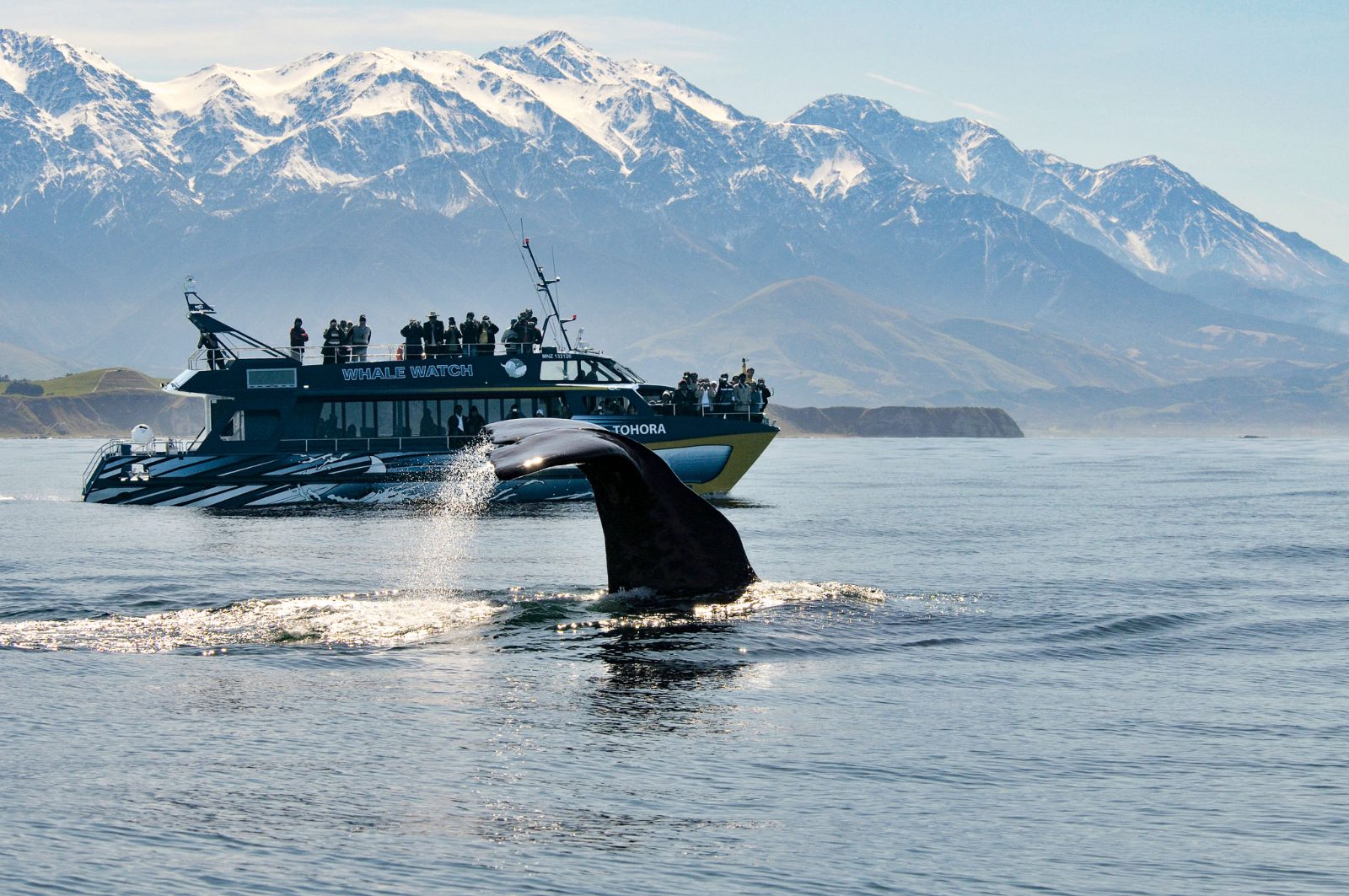
Kaikoura's whale watching industry began not in the air but on the water. In 1987, a group of local Māori fishermen founded Kaikoura Tours, launching the first commercial whale watching operation in New Zealand from a small inflatable boat. The venture capitalized on the region's unique underwater canyon system, which draws sperm whales within two kilometers of shore year-round. By 1989, the operation had adopted the name Whale Watch Kaikōura and secured formal partnership structures with Ngāi Tahu iwi. The business model proved transformative for a coastal town still reeling from declining fishing and farming revenues. Aviation entered the narrative in the early 1990s when fixed-wing and helicopter operators recognized the geographic advantage Kaikoura offered. The continental shelf drops to over 1,000 meters within minutes of the coastline, creating feeding grounds visible from above. Scenic flights provided a faster, weather-independent alternative to vessel-based tours, appealing to visitors constrained by time or susceptible to seasickness. By 1995, multiple aviation companies offered whale spotting from the air, though the vessel operation remained the dominant tourism draw. The November 2016 earthquake fractured the region's infrastructure and temporarily halted all tourism. The Whaleway Station sustained damage, and marine tours resumed only after extensive repairs. Aviation-based whale watching recovered more quickly, as flights required no wharf access. Today, kaikoura whale watching flight experiences operate alongside the original boat tours, offering aerial perspectives of sperm whales, dusky dolphins, and the Seaward Kaikōura Range. The flight operators work in loose coordination with marine-based services, sharing whale location data transmitted by spotter planes. Both formats now coexist as complementary products rather than competitors, anchored by the same ecological phenomenon that brought the first inflatable boat out in 1987.
Local Māori fishermen launch New Zealand's first commercial whale watching operation from Kaikōura using an inflatable boat.
The venture rebrands as Whale Watch Kaikōura and formalizes iwi partnership structures with Ngāi Tahu.
Fixed-wing and helicopter operators begin offering aerial whale spotting flights over the continental shelf.
Multiple aviation companies establish regular scenic flight schedules targeting sperm whale aggregations visible from above.
A magnitude 7.8 earthquake damages coastal infrastructure and temporarily halts all whale watching operations.
Aviation-based tours resume ahead of vessel operations due to faster infrastructure recovery and no wharf dependency.
Flight and boat-based whale watching coexist as complementary products, sharing real-time whale location data.
Stand near the designated safety barriers to capture the aircraft before takeoff for your kaikoura whale watching flight. This location provides a clear view of the propeller and fuselage against the backdrop of the Seaward Kaikōura Range.
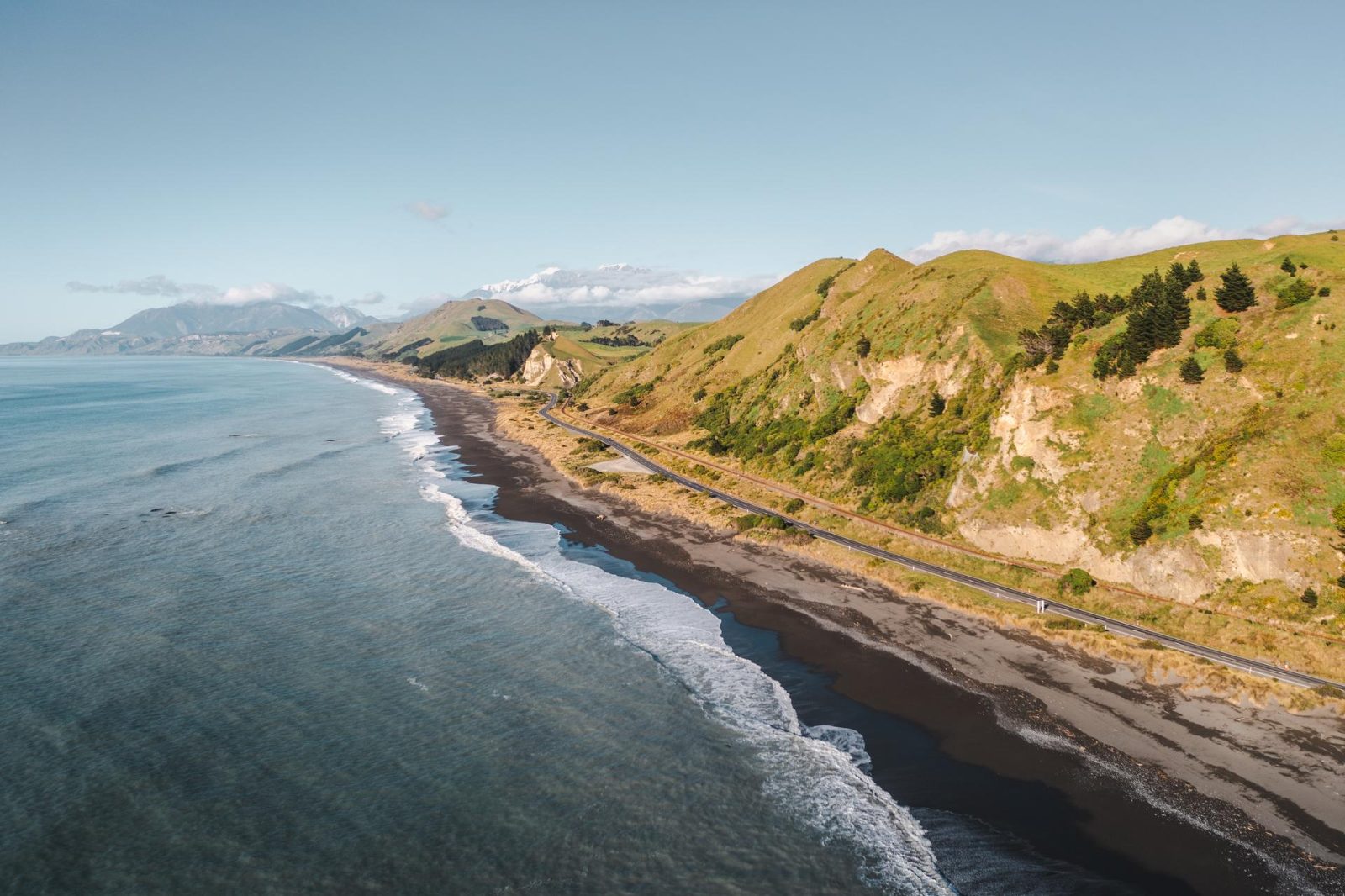
Position your camera to capture the dramatic contrast between the deep blue Pacific Ocean and the rugged coastline from your window. Using a kaikoura whale watching flight tour ensures a high-altitude perspective of the marine sanctuary.
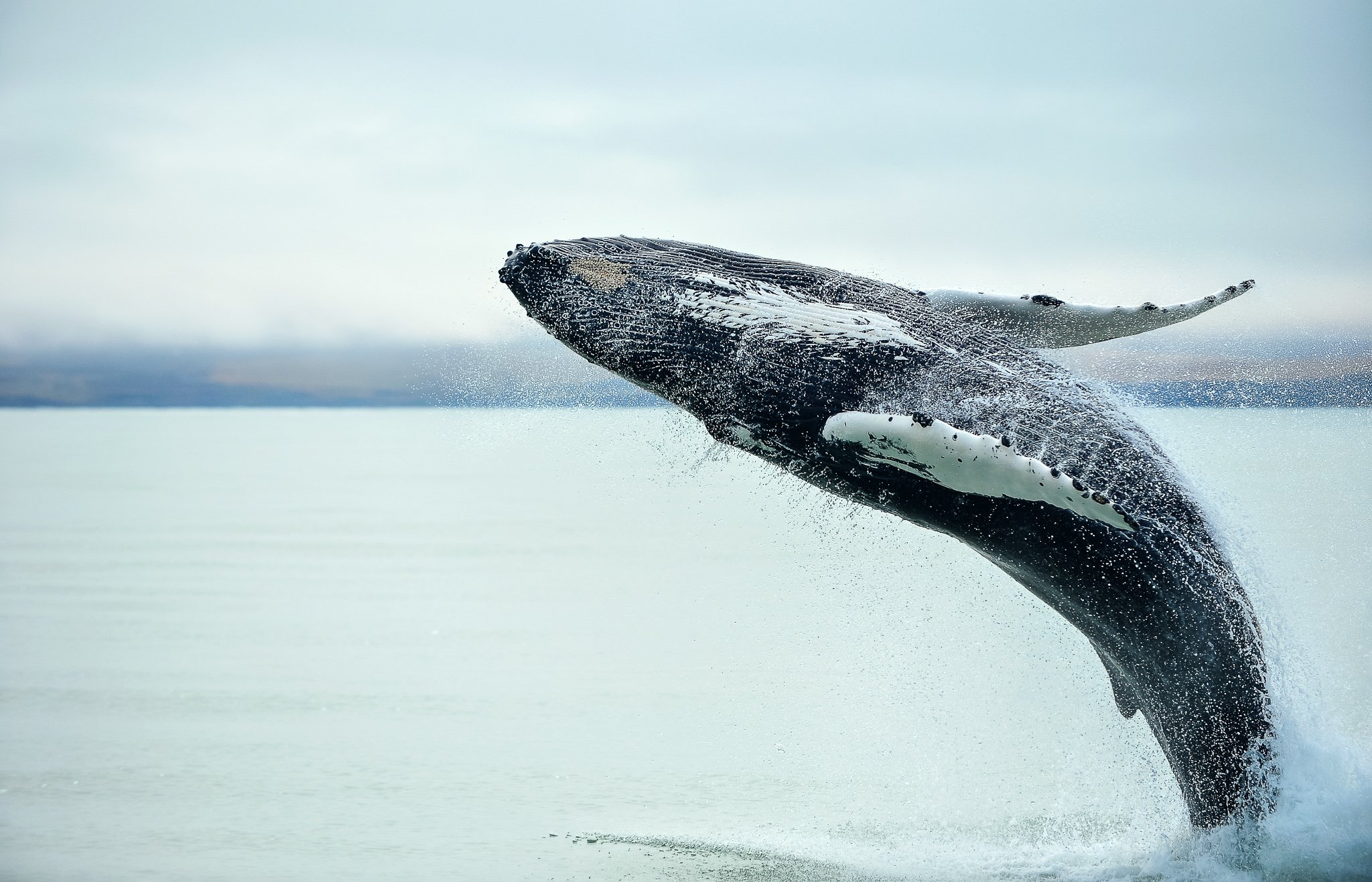
Capture the moment a sperm whale breaches the surface or displays its fluke before a dive from the air. These kaikoura whale watching flight tours require a fast shutter speed to freeze motion from the moving aircraft.
Focus on the jagged peaks of the mountains meeting the sea as the plane banks during your kaikoura whale watching flight tickets experience. This vantage point highlights the geographical scale of the region.
Choosing a kaikoura whale watching flight offers a unique aerial perspective for families to observe marine life from above the Kaikoura Canyon. These excursions provide a smooth alternative to boat travel, ensuring a comfortable journey for passengers of all ages.
While boat tours often restrict children under 3, aviation-based kaikoura whale watching flight tours typically welcome infants and toddlers, though specific airline policies regarding seating should be verified at the time of booking.
These flights offer a clear advantage for families concerned about motion sickness, as the kaikoura whale watching flight tour avoids the rolling swells of the open ocean.
From the air, passengers enjoy an expansive look at the Seaward Kaikoura Range and the Pacific coastline, providing a broader scenic context alongside whale sightings.
We recommend securing your kaikoura whale watching flight tickets well in advance, especially during peak seasons, to ensure your family can coordinate departures within the recommended 09:00–16:00 arrival window.
Flights depart from the local aerodrome rather than The Whaleway Station; please confirm your specific departure point when finalizing your reservation.
Kaikōura offers a variety of dining options near your kaikoura whale watching flight departure point, ranging from casual seaside cafés to established local restaurants. Whether you are grabbing a quick coffee before your kaikoura whale watching flight tour or celebrating after securing your kaikoura whale watching flight tickets, you will find excellent spots within a short distance of the Whaleway Station.
Located directly at the terminal, this convenient stop is ideal for a quick coffee or snack before your aircraft boarding.;Beach House Café
Everything you need to know for your journey
The Whaleway Station is open daily from 09:00–16:30.
Yes, children are welcome on a kaikoura whale watching flight with appropriate adult supervision.
Yes, tickets can be booked via the official site to secure your spot for a kaikoura whale watching flight.
Cancellations at least 24 hours in advance receive a full refund for your kaikoura whale watching flight.
Yes, weight limits apply for all passengers to ensure flight safety during a kaikoura whale watching flight.
We recommend arriving between 09:00–16:00, ideally early to ensure smooth conditions for your kaikoura whale watching flight.
Yes, photography is permitted, but please keep your camera secured during your kaikoura whale watching flight.
Yes, items like tripods and large bags are prohibited on a kaikoura whale watching flight.
The terminal is located at The Whaleway Station, Whaleway Station Road, Kaikōura 7340.
The standard adult tour price for vessel-based whale watching is 175 NZD, though flight pricing is separate.
Scenic coastal trail with cliff-top views of the ocean.
Accessible viewing area to observe local fur seals.
Historic whaling cottage featuring local maritime history.
Eco-friendly retreat with mountain and sea views.
Historic property located near the town center.
Central area with numerous lodges and motels.
Join thousands of happy travelers who have discovered this incredible experience
Book Your Experience Now