3 hr 30 min
Kaikoura Coast Whale Watching & Marine Life Cruise
- Entry ticket
- Mobile voucher
- Valid same day
- Free cancellation
Kaikoura Whale Watching — Ocean Cabin Tours & Marine Encounters
Giant sperm whales year-round, where canyon meets current
Compare fares, pick the fit — all bookings are mobile-voucher and eligible for free cancellation where shown.
3 hr 30 min
30 min
10 hr
| Experience | From | Duration | Rating | Pickup | Lunch | Free cancel. | Price | |
|---|---|---|---|---|---|---|---|---|
|
Standard Entry
Most popular
Kaikoura Coast Whale Watching & Marine Life Cruise
|
— | 3 hr 30 min | ★ 4.6 | — | — | ✓ | €89 | Book → |
|
Standard Entry
Kaikoura Aerial Whale Watching Experience
|
— | 30 min | ★ 4.6 | — | — | ✓ | €111 | Book → |
|
Guided Experience
Kaikōura Whale Watching Day Trip from Christchurch
|
Christchurch | 10 hr | ★ 4.6 | ✓ | ✓ | ✓ | €192 | Book → |
Worth it for wildlife enthusiasts and nature lovers
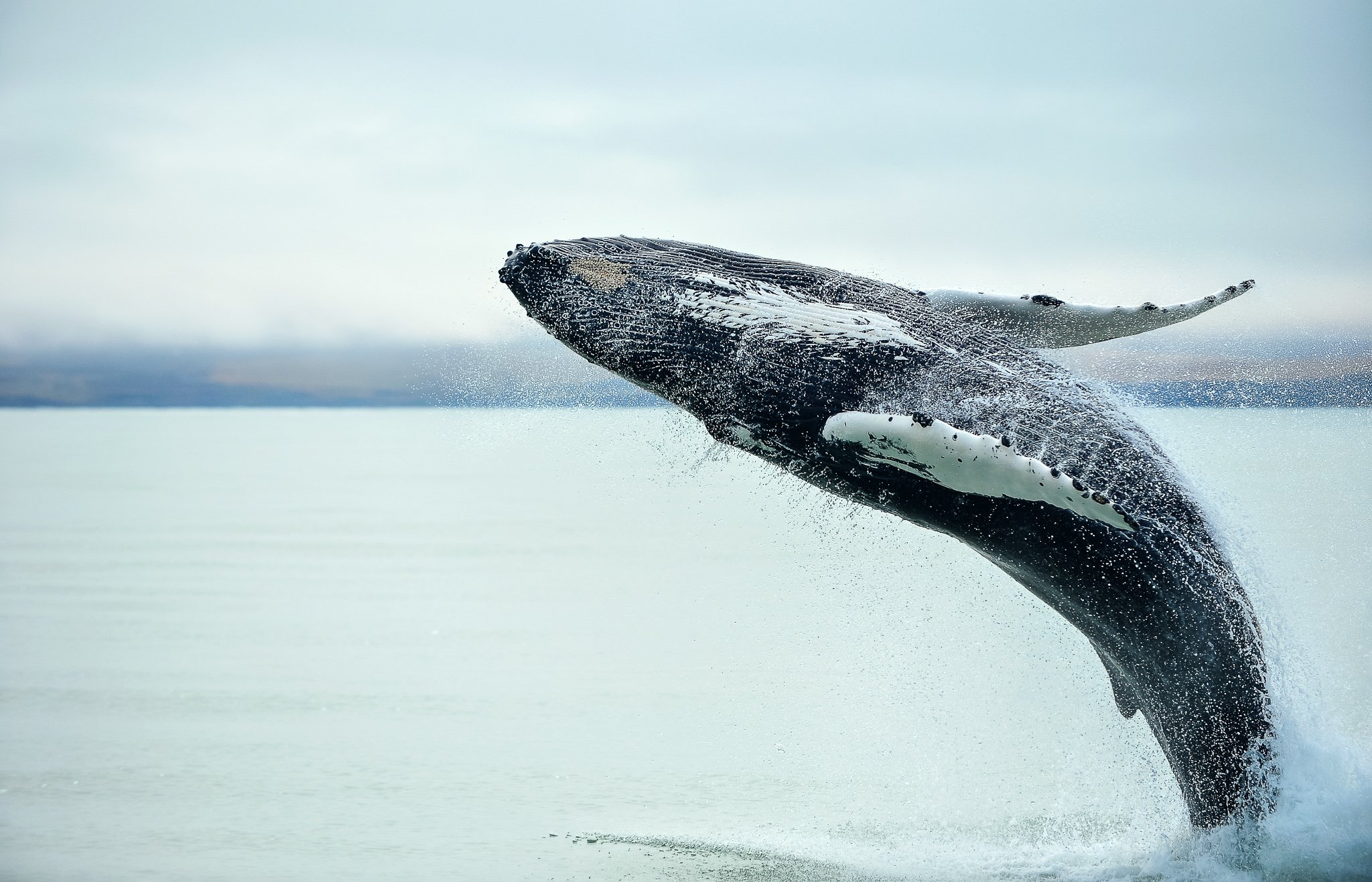
At 175 NZD per adult, kaikoura whale watching delivers exceptional value through its 95% sperm whale sighting success rate and encounters with dolphins, fur seals, and seabirds. The experienced marine mammal specialists provide conservation-focused commentary that transforms the tour into an educational experience, explaining cetacean behavior and the Kaikoura Canyon ecosystem. Tours operate year-round from The Whaleway Station, offering consistent access to giant sperm whales that feed in the nutrient-rich waters just offshore. The price includes modern vessel access, expert guides, and the 80% refund guarantee if no whales are sighted. For visitors seeking authentic marine wildlife encounters rather than manufactured attractions, whale watching tours in Kaikoura represent genuine ecological tourism. The experience favors those who value conservation education and are comfortable with ocean conditions, as sea state can affect departure schedules. Photographers benefit from close-range sightings of breaching behaviors and tail flukes during deep dives.
Bottom line: The high sighting reliability and conservation focus justify kaikoura whale watching tickets for anyone prioritizing authentic wildlife experiences over scripted attractions.
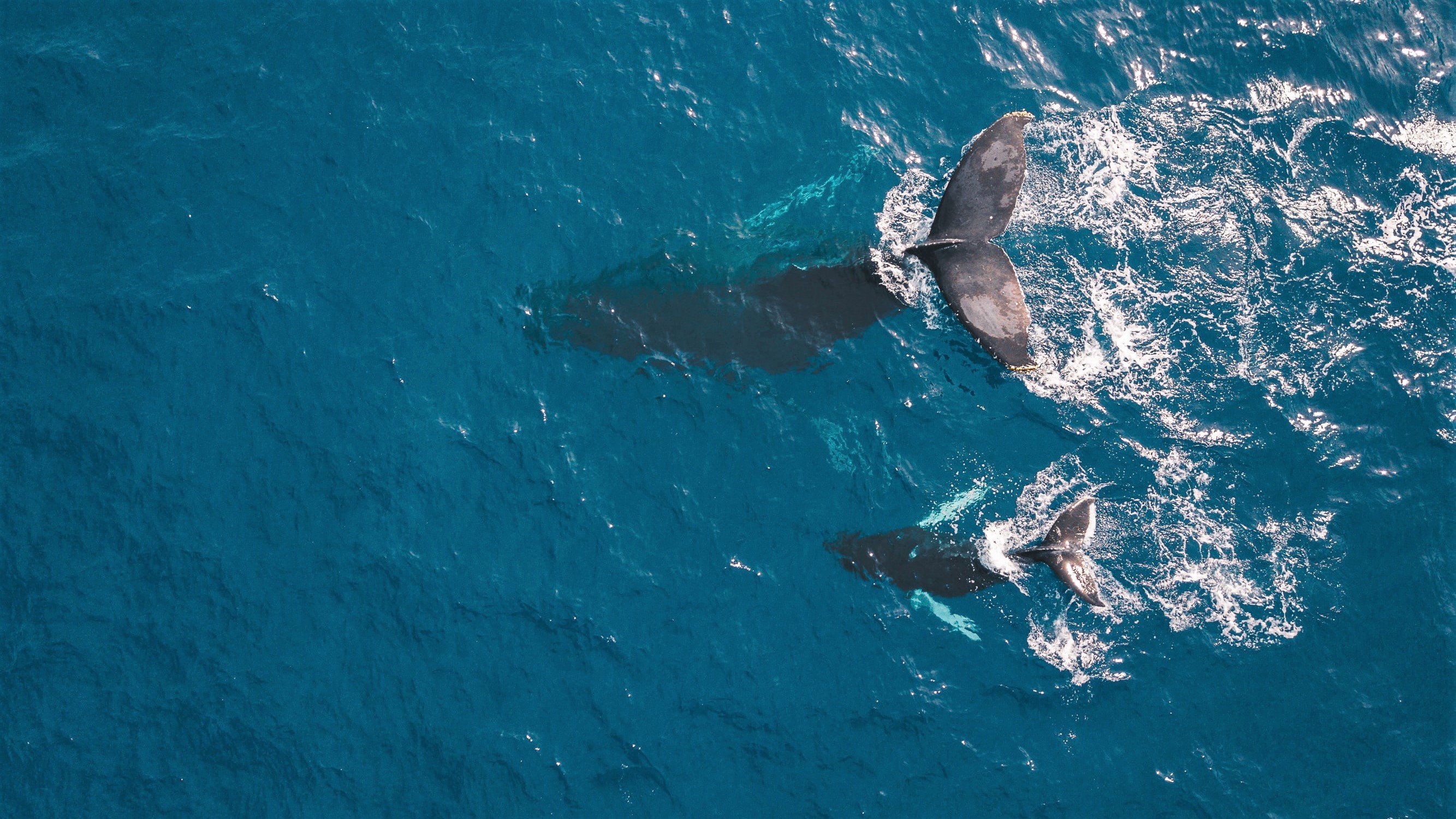
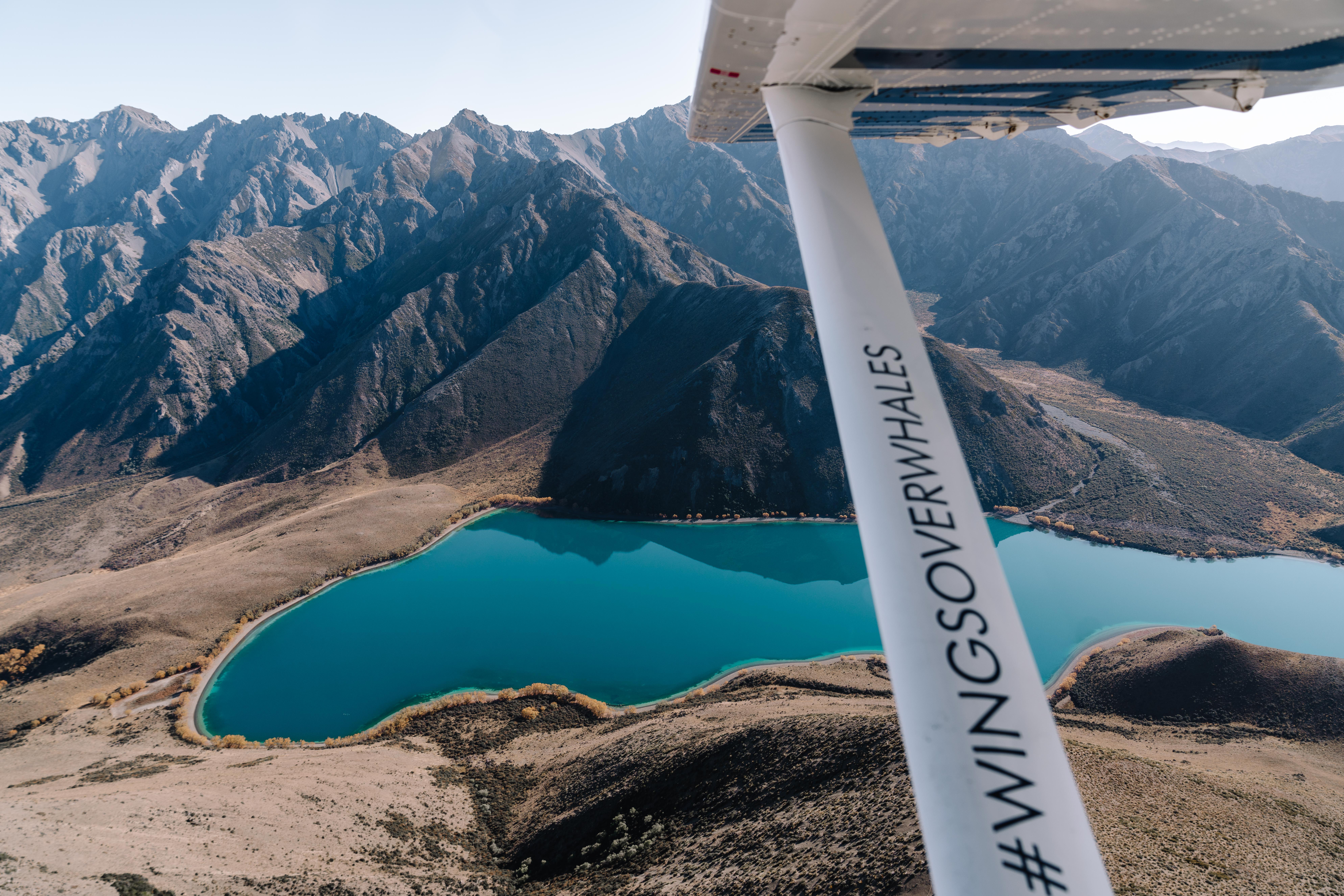
They complement each other; most visitors who do both call the boat cruise the more immersive, water-level experience, while the flight offers an unrivaled perspective for seeing the full scale of marine giants.
|
Top pick Kaikoura Whale Watch |
Kaikōura Whale Watching Flight | |
|---|---|---|
| Experience perspective | Water-level immersive | Aerial vantage point |
| Viewing angle | Side-on at surface | Top-down full body |
| Travel time | Approx. 3 hours | 30–60 minutes |
| Proximity to wildlife | Close ocean encounter | Distance viewing from above |
| Motion sickness risk | High risk | Low risk (banking maneuvers) |
| Suitability for photography | Tail and spout focus | Full whale silhouette |
| See tickets & prices |
Verdict: The boat cruise provides a classic, intimate encounter with Kaikoura whale watching tours, whereas the flight delivers a time-efficient aerial view of whale migrations.
Hand-picked experiences loved by thousands of travelers
45 minutes flight time (75 minutes total duration)
Free Cancellation
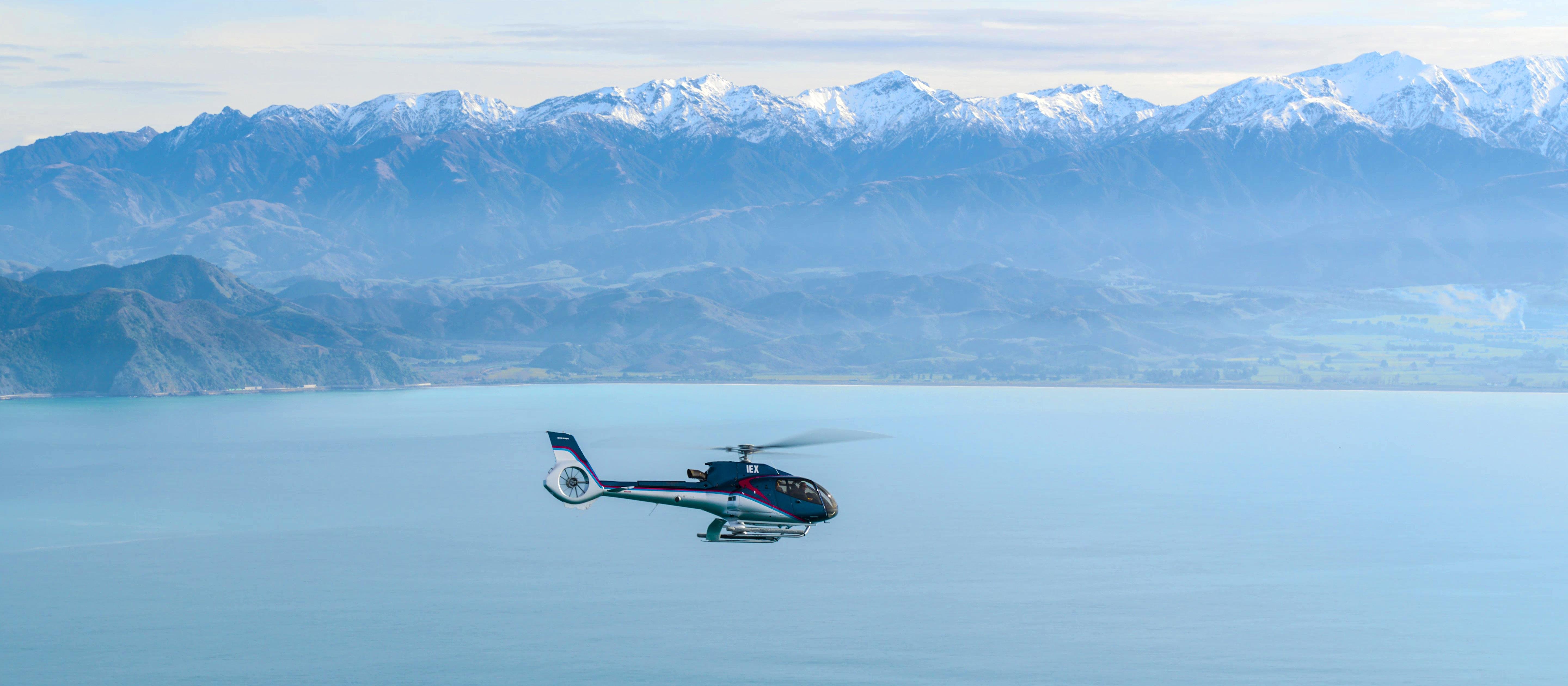
Soar above Kaikōura to view giant Sperm whales, dramatic mountain peaks, and coastal scenery from your window seat.
3 hours
Free Cancellation
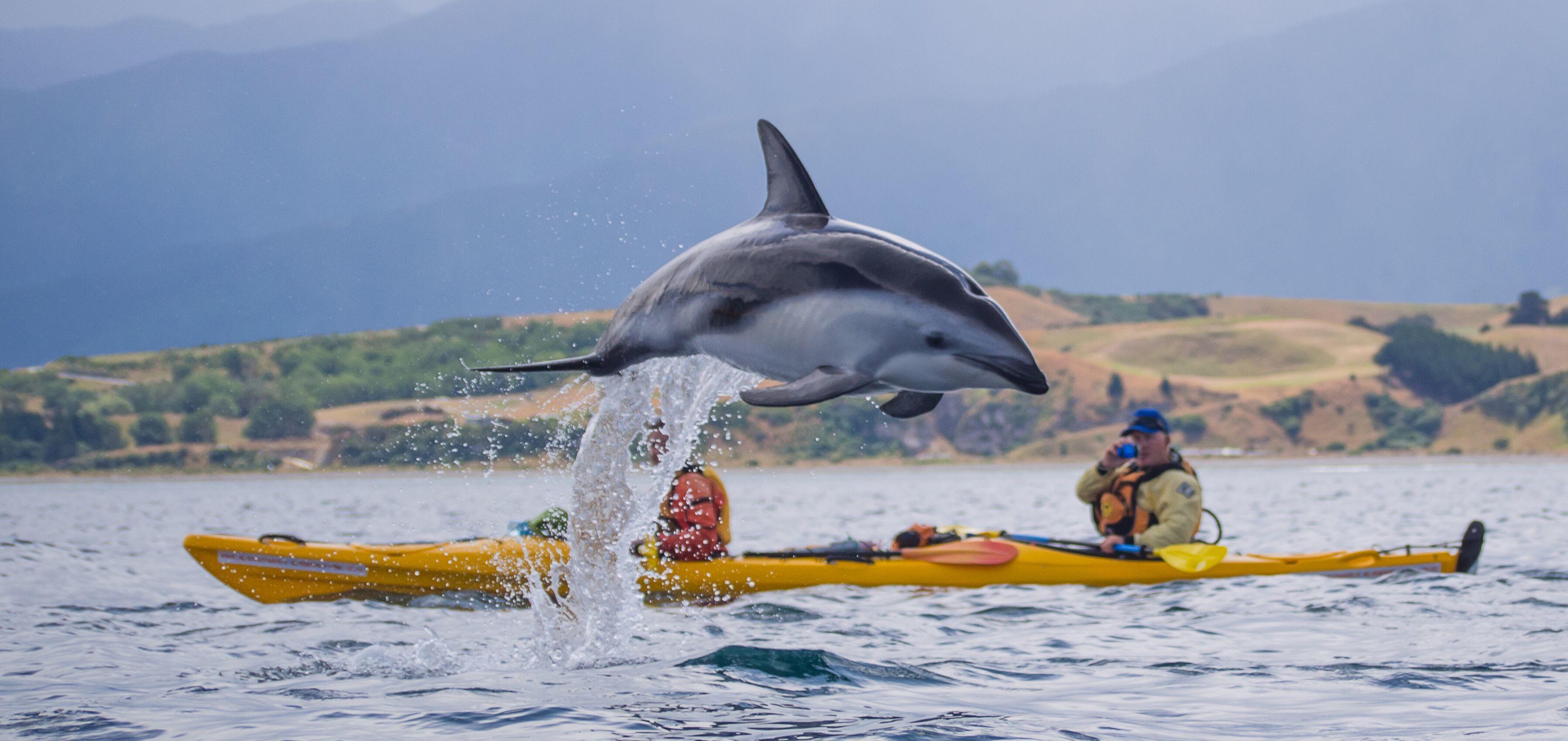
Paddle alongside fur seals and marine life beneath dramatic coastal mountains in New Zealand
45 minutes
Free Cancellation
Soar above the Pacific to witness majestic whales, playful dolphins, and mountain landscapes from the sky
1 hour
Free Cancellation
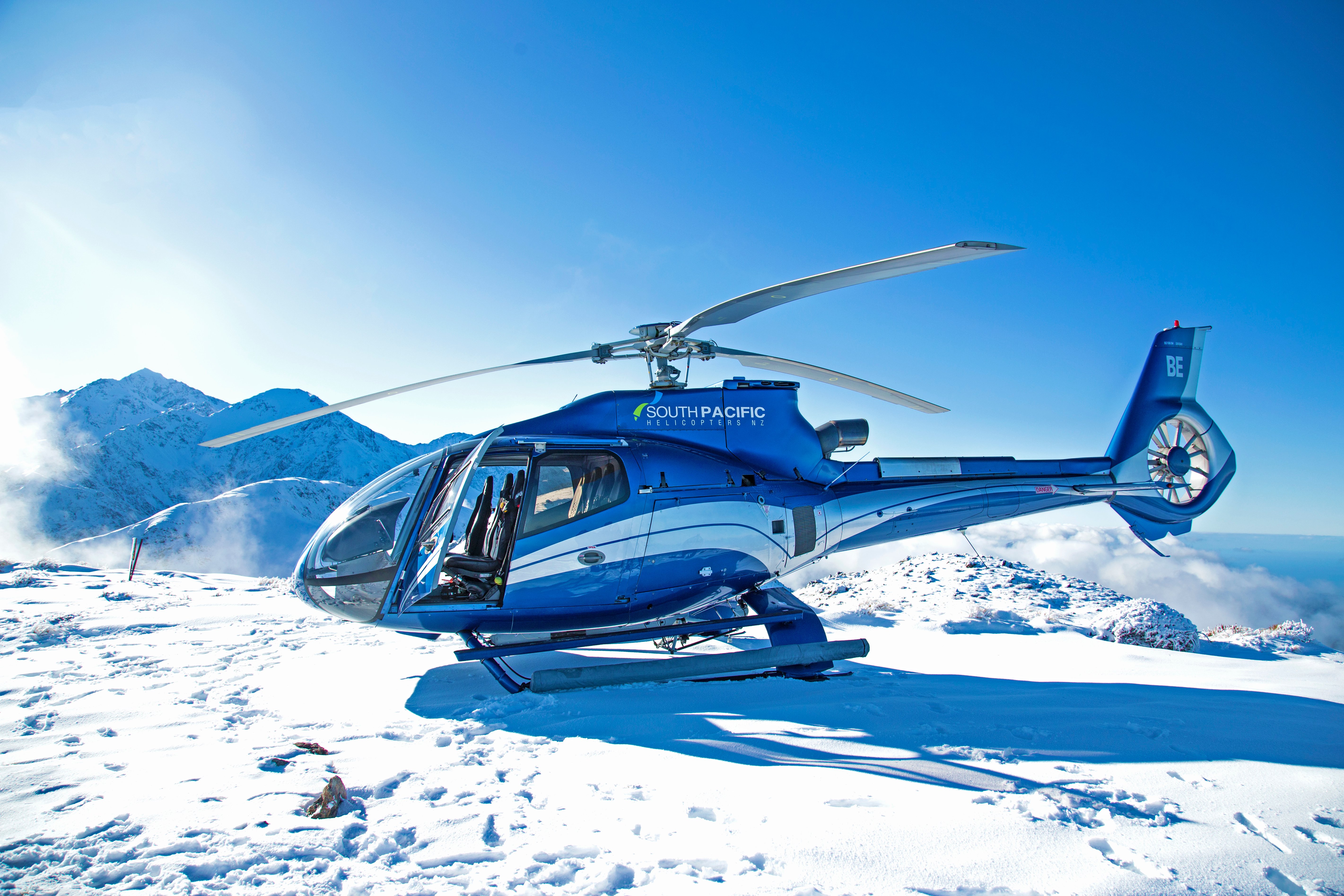
Aerial whale spotting over Pacific waters followed by a mountain landing with panoramic coastal views
7 hours
Free Cancellation
Select your ideal adventure from three distinct full-day experiences departing directly from your cruise terminal
Confirm booking at The Whaleway Station
Listen to vessel protocols and marine mammal guidelines
Travel to deep sea observation zones
Historical hub serving as the main check-in and heritage center for all tours. It showcases the history of the region and whaling transition
The seafloor drops rapidly here, creating nutrient-rich waters that attract sperm whales. This submarine canyon is the primary site for the Kaikoura Whale Watch experience
These massive creatures are frequently sighted during the tour. They remain the core draw of the kaikoura whale watching experience in this region
Large pods of dolphins often accompany the tour vessels. Watching their acrobatic behavior is a common highlight of the trip
Various species of seabirds are visible near the canyon area. These birds often follow the boat, providing excellent observation opportunities
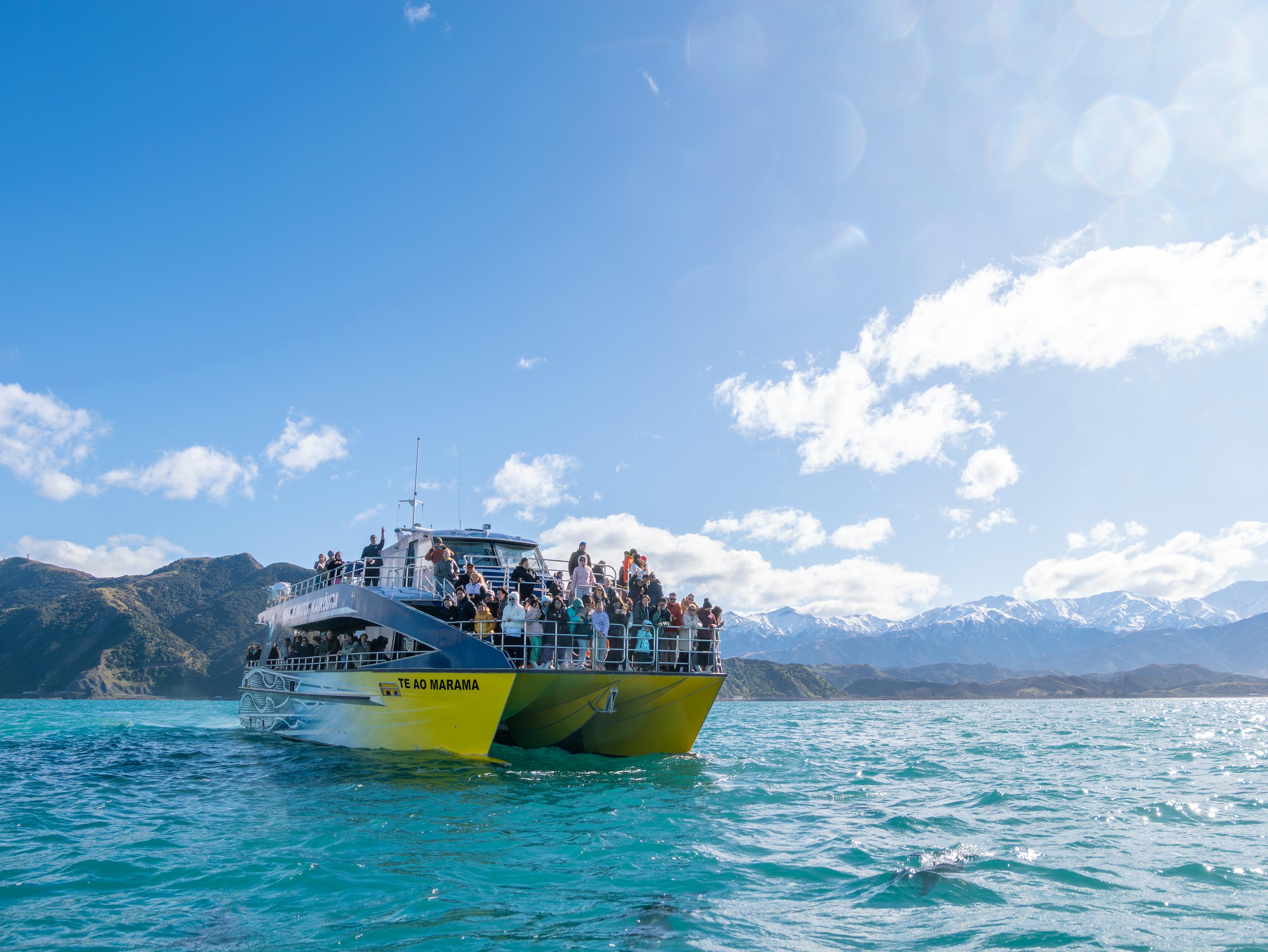
You check in at the Whaleway Station thirty minutes before departure, boarding a purpose-built ocean cabin vessel designed for South Pacific swells. The hull cuts through the harbour breakwater and turns north along the peninsula, paralleling the coastline where the Seaward Kaikōura Range drops vertically into ocean.
Within ten minutes you cross the canyon rim—the seafloor vanishing beneath a kilometre of water.
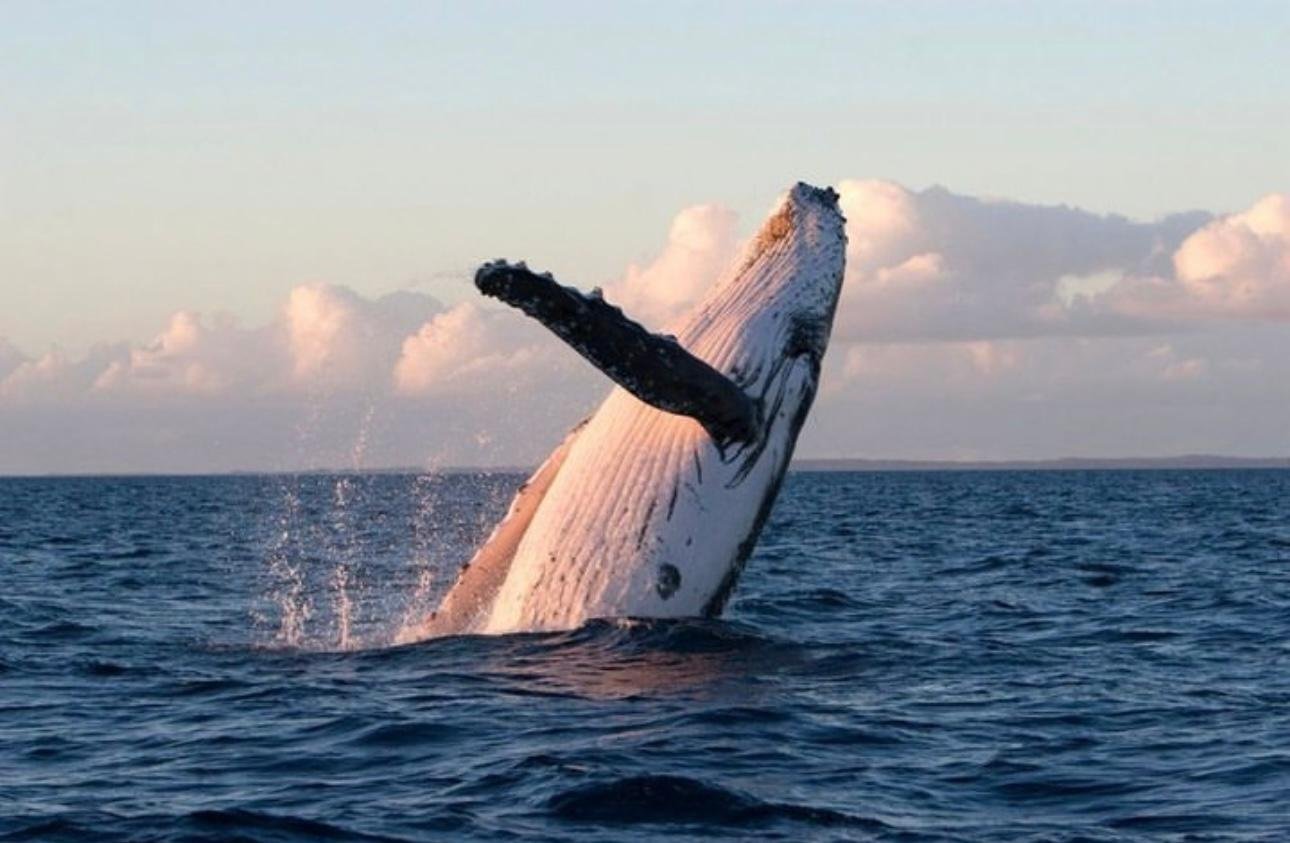
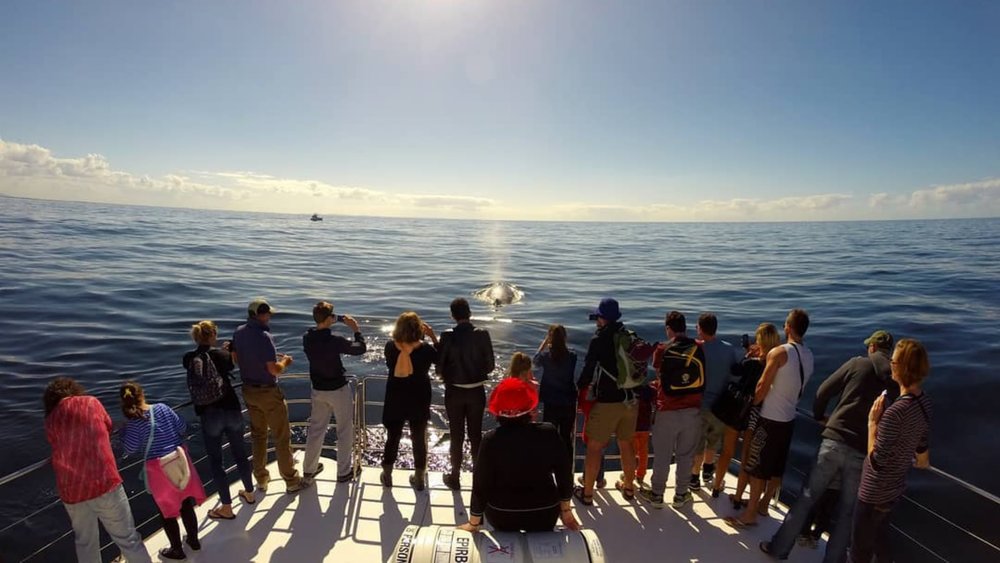
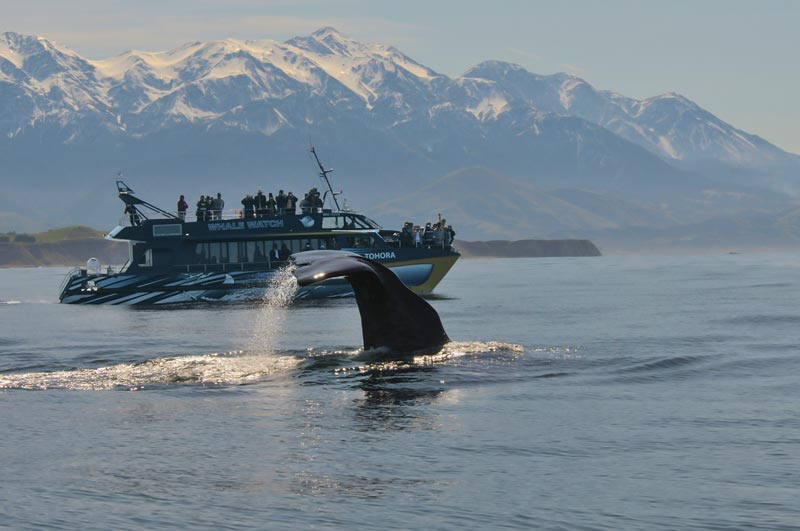
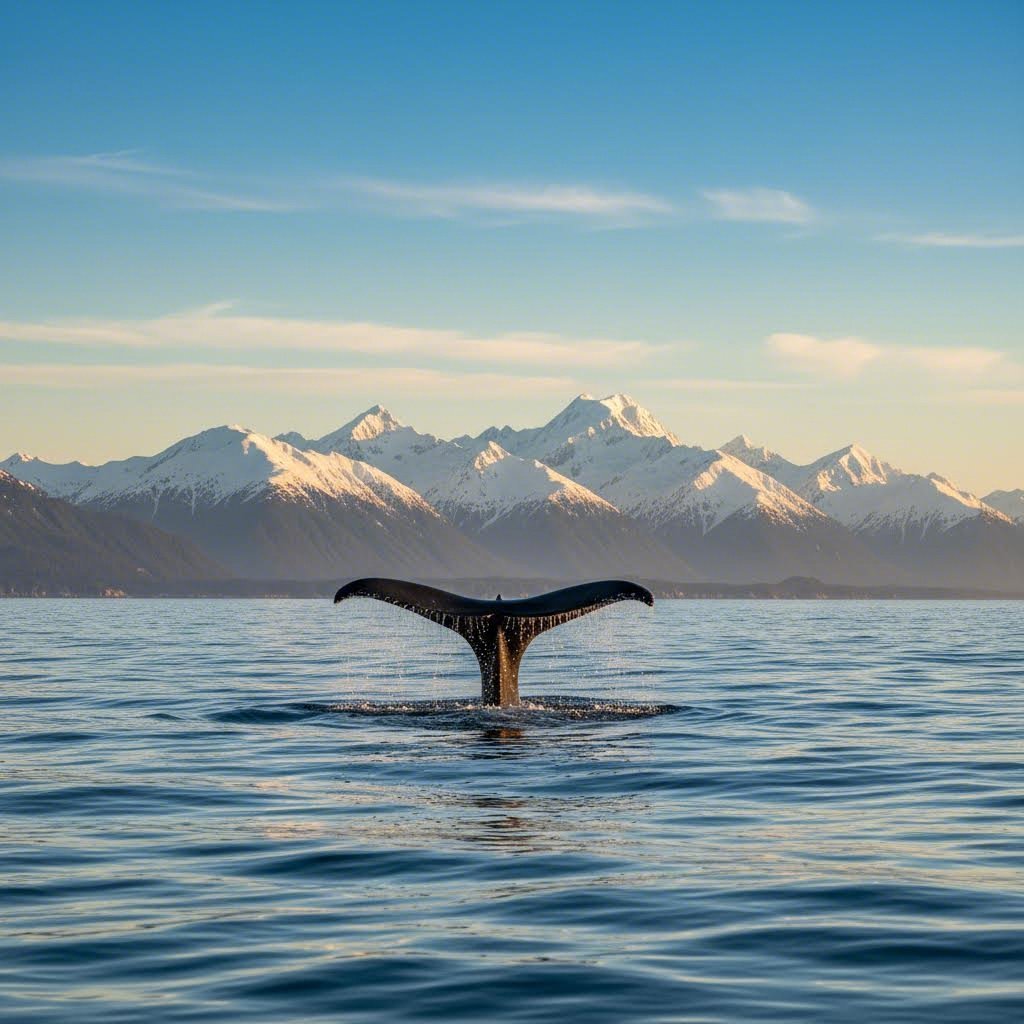
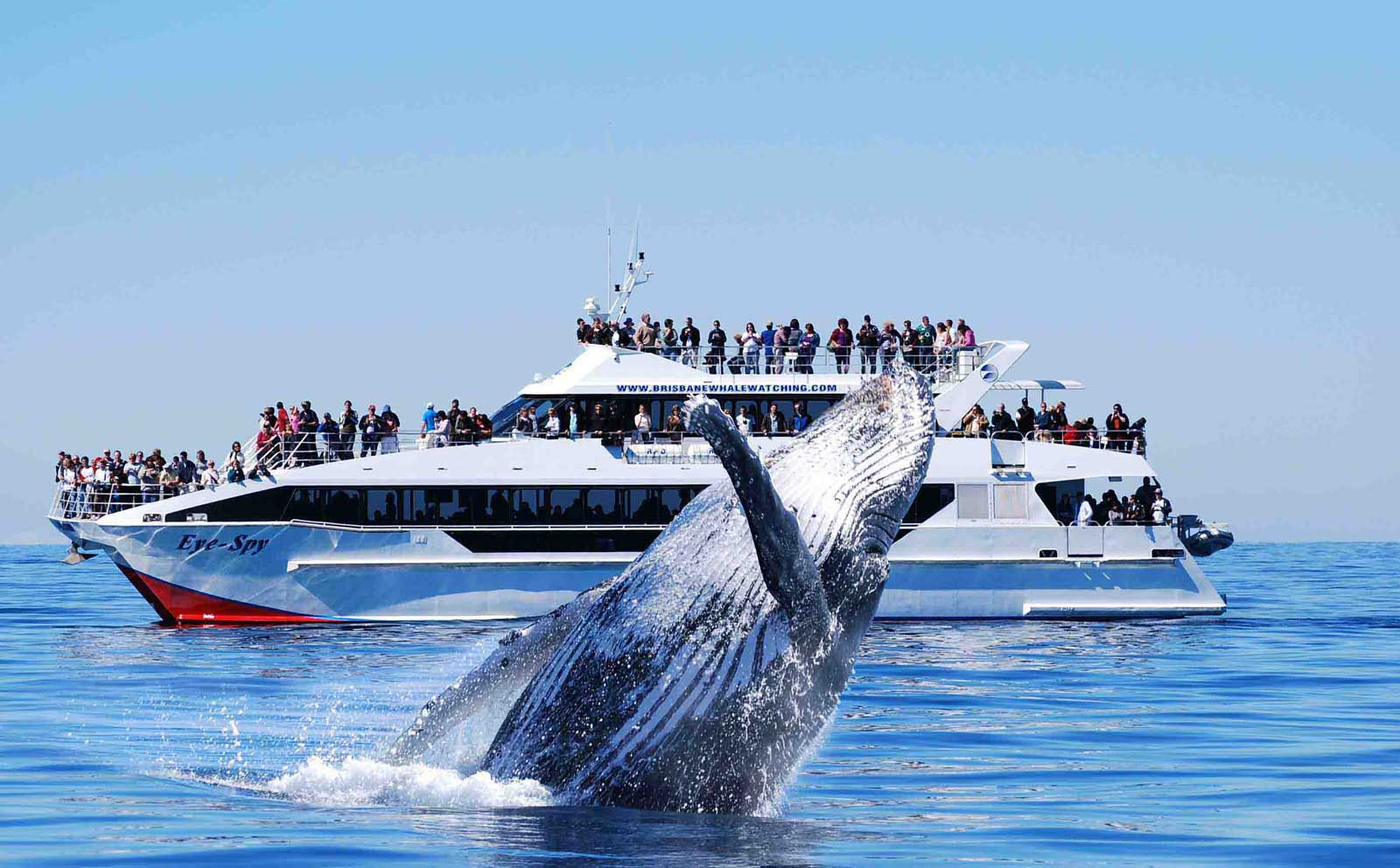
The captain cuts the engine. Silence. Then the hydrophone clicks amplify through cabin speakers: a sperm whale echolocating squid in the abyss below. You scan the surface. A massive grey fluke lifts vertically, water streaming from its trailing edge, and slides beneath the swells. The whale has descended. You wait. Twelve minutes pass. The animal surfaces fifty metres off the port bow, blowing a diagonal spout that catches the wind. It rests at the surface, recovering oxygen, dorsal hump barely breaking the waterline. Cameras track the animal for eight minutes before it sounds again, flukes rising in a final display.
The vessel moves offshore. A pod of dusky dolphins intercepts the bow, leaping in synchronised arcs. An albatross glides past the stern rail, wingtip feathers nearly brushing the wake. The return crossing passes fur seal colonies clustered on submerged reefs, pups visible on the rocks. The Whaleway Station reappears against the mountain backdrop after two and a half hours on the water.
All the details about your upcoming adventure in one place
Kaikoura whale watching offers year-round encounters with giant sperm whales in their natural ocean habitat along New Zealand's South Island coastline. The continental shelf drops sharply just offshore, creating deep-water feeding grounds where marine mammals congregate throughout the year. Kaikoura whale watching tours depart from the town center and include expert commentary on local cetacean behavior and marine ecology.
The Kaikōura Canyon descends three kilometres from the shoreline, carving a submerged trench where the Southland Current drives nutrient upwellings that sustain one of the planet's most reliable cetacean feeding grounds. Giant sperm whales hunt squid in waters less than a kilometre offshore.
Dusky dolphins travel in pods numbering hundreds. Wandering albatross trace the coastal shelf on three-metre wingspans. Kaikoura whale watching operates from a single departure point on the Whaleway Station Road peninsula, where Ngāi Tahu traditions of kaitiakitanga—guardianship—shaped the structure of modern ecotourism decades before global marine protection standards emerged.
The 1987 establishment of commercial whale watching tours transformed a South Island fishing village into a model for low-impact marine observation. Vessel protocols limit engine noise, maintain regulated distances from cetaceans, and operate under real-time marine mammal monitoring coordinated with the Department of Conservation. Sperm whales surface predictably to recover oxygen between forty-minute dives. Hydrophone arrays detect clicking echolocation patterns that guide captains toward feeding animals without pursuit. The result is a 95 percent encounter reliability rate across all operating days, sustained by the canyon's year-round upwelling cycle rather than seasonal migration.
Ocean cabin tours depart hourly through daylight windows, each two-and-a-half-hour voyage threading the edge of the continental shelf where seafloor topography funnels cold Antarctic water into collision with warmer subtropical flows. Fur seals haul onto rocky outcrops. Hector's dolphins—endemic to New Zealand and among the world's smallest cetaceans—occasionally bow-ride vessel wakes. The Seaward Kaikōura Range rises directly from the coast, forming a visual amphitheatre where snowcapped peaks frame open-ocean wildlife encounters. Kaikoura whale watching tickets include marine biologist commentary, photographic access from upper observation decks, and climate-controlled cabin seating during winter crossings.
The geographic compression of deep canyon, tectonic uplift, and nutrient convergence creates what marine ecologists term a biodiversity hotspot—eighteen cetacean species documented within twenty nautical miles of shore. The sperm whale population remains non-migratory. Individual animals return across decades, identifiable by fluke patterns catalogued in long-term research databases. This constancy underpins the operation's model: vessels locate whales through acoustic detection rather than search patterns, minimizing disturbance while maintaining commercial viability that funds ongoing conservation partnerships with Ngāi Tahu and national marine authorities.

The Kaikōura Canyon descends three kilometres from the shoreline, carving a submerged trench where nutrient upwellings sustain one of the planet's most reliable cetacean feeding grounds.
Wear warm, layered clothing as temperatures drop significantly once the boat leaves the harbor. Windproof jackets are recommended even on sunny days.
Keep personal items compact and secure while on the vessel. Large bags are discouraged due to limited space on board.
Photography is permitted throughout the kaikoura whale watching experience. Ensure equipment is protected from sea spray and use a wrist strap for cameras.
Children must be supervised at all times on the vessel. Safety briefings provided at the start of kaikoura whale watching tours must be followed by all ages.
Kaikoura Whale Watch vessels have limited mobility access due to gangway constraints. Please contact the team in advance to discuss specific needs.
Small snacks and water may be consumed on board. Refrain from bringing messy food items that could be affected by vessel movement.
Opening Hours
09:00–16:30
Address
The Whaleway Station, Whaleway Station Road, Kaikōura 7300, New Zealand
Accessibility
Vessel access requires navigating steps
Best Arrival
09:00–16:30
Storage
Limited storage available at terminal
Navigation
Follow signage to The Whaleway Station
Car · N/A · Free
Located off State Highway 1 in Kaikōura. Ample parking is available at the terminal complex.
Public transport · Varies · Budget-friendly
InterCity buses stop in Kaikōura town center. A short taxi or shuttle is required to reach the station.
Cancellations made by the operator due to sea conditions are fully refundable. Passenger-initiated changes must follow the standard booking terms associated with the 175 NZD fee.
Recommended time
3-4 hours
Plan for a total of three to four hours to accommodate check-in procedures, safety briefings, and your kaikoura whale watching boat trip. Sea conditions heavily influence departure schedules, so allow extra flexibility in your itinerary for potential maritime delays. Securing your kaikoura whale watching tickets in advance helps streamline the process at The Whaleway Station, while choosing mid-morning slots often balances marine mammal spotting opportunities with moderate passenger volume. Please note that kaikoura whale watching tours are subject to ocean conditions, requiring check-in well before your scheduled vessel departure.
Crowd levels through the day
Weather · crowds · average price — dots go green to amber to red as each metric rises.
December to February offers the warmest weather for coastal sightseeing. Sea conditions are generally more consistent during these months.
March to May provides calm waters for kaikoura whale watching. The air is crisp and visitor numbers begin to decrease.
June to August brings cooler temperatures but remains active for wildlife spotting. Dress warmly for the ocean winds.
September to November features active marine life. This is a primary season for kaikoura whale watching tours as migratory patterns shift.
Secure kaikoura whale watching tickets well before your date. Availability fills quickly during the peak spring season.
Sea conditions dictate the operation of kaikoura whale watching tour vessels. Call the provided number on the morning of your booking to confirm status.
Drink plenty of water before boarding. Motion sickness can be mitigated by staying prepared before the journey.
The Whaleway Station, Whaleway Station Road
Primary terminal for all tours
Get directionsKaikoura's relationship with whales shifted dramatically in 1987 when Ngāti Kurī elders Wally Stone and Bill Solomon founded New Zealand's first commercial kaikoura whale watching operation. The Māori-owned enterprise replaced a century of industrial whaling that had depleted whale populations along the continental shelf. By 1988, purpose-built vessels carried tourists to observe sperm whales in their feeding grounds, transforming the local economy from extraction to conservation. The Kaikōura Canyon, where the seabed drops to 1,600 meters within two kilometers of shore, creates nutrient upwellings that support year-round whale presence. The venture faced immediate obstacles. Early boats lacked stabilization systems, and rough seas forced frequent cancellations. In 1991, the company partnered with marine biologists to develop hydrophone technology that tracked whale echolocation clicks, raising sighting success rates above ninety percent. The innovation became standard across global whale-watching operations. A 7.8 magnitude earthquake struck in November 2016, lifting the seabed two meters and severing road access to Kaikōura for months. Operations resumed within weeks using helicopter transfers, demonstrating the industry's resilience. Kaikoura whale watching tours now operate from The Whaleway Station, where trained guides—many of them Ngāti Kurī descendants—explain traditional navigation knowledge alongside marine biology. Revenue supports scholarships and coastal restoration projects managed by the iwi. The 80 percent Māori-owned company employs over sixty staff and welcomes more than 100,000 visitors annually. Sperm whales remain the primary attraction, though dusky dolphins, fur seals, and migrating humpbacks appear seasonally. The model proved that Indigenous stewardship and economic sustainability could align, influencing conservation policy across New Zealand's marine reserves.
Shore-based whaling stations established at Kaikōura to process southern right whales and sperm whales.
Commercial whaling ceased in New Zealand waters following international pressure and depleted stocks.
Ngāti Kurī elders founded Kaikōura's first whale-watching company with a single boat and twelve passengers.
Hydrophone tracking systems installed to locate sperm whales by echolocation, improving tour reliability.
November earthquake lifted seabed and severed highway access; operations resumed via helicopter within three weeks.
Annual visitor numbers exceeded 100,000, with kaikoura whale watching tickets funding iwi conservation programs.
Planning a kaikoura whale watching excursion requires careful preparation to ensure young mariners remain comfortable on the ocean. Engaging in kaikoura whale watching tours offers children a unique opportunity to witness marine mammals in their natural habitat.
Children of all ages are welcome, though the experience is best suited for those comfortable with travel and water environments. Check in advance if your child meets safety requirements for a kaikoura whale watching tour to ensure smooth boarding.
To manage potential motion sickness, consult a pharmacist for age-appropriate medication before your arrival. Keeping kids focused on the horizon rather than screens helps reduce nausea during the boat journey.
The base at The Whaleway Station, Whaleway Station Road, Kaikōura 7300, New Zealand, provides necessary amenities for families before departure. Please note that changing facilities are limited, so plan accordingly before boarding your kaikoura whale watching tickets vessel.
Bring binoculars or a camera to help children spot wildlife surfacing near the boat. Providing a distraction like a coloring book or a light snack for post-tour moments can help maintain energy levels throughout the day.
Real experiences from real travelers
We departed early morning and encountered three different sperm whales during our kaikoura whale watching tour. The crew provided excellent commentary about marine behavior and the Hikurangi Trench ecosystem. Water was calm and visibility perfect for photography. The alpine backdrop makes this location unique compared to other cetacean tours.
Our guide explained how the deep canyon offshore creates ideal feeding conditions for sperm whales year-round. We watched one whale dive with its massive tail fluke rising completely vertical. The onboard hydrophone let us hear echolocation clicks. Kaikoura whale watching delivers a genuine research-based experience rather than just sightseeing.
Saw a pod of dusky dolphins bow-riding before the main whale encounter. The crew spotted a whale blow from two kilometers away and positioned us perfectly. Watching a 15-meter sperm whale surface alongside the catamaran was humbling. Ocean conditions were rougher than expected so take motion sickness medication.
Appreciated the conservation focus and how they maintain legal distance from the whales. Crew shared data about individual whales identified through fluke patterns. We saw one whale but weather cut the trip slightly short. The kaikoura whale watching operation clearly prioritizes animal welfare over guaranteed sightings.
Our whale surfaced just 50 meters from the boat to breathe before its next dive cycle. The exhaled blow created a visible mist in the cold air. Guides explained how sperm whales can dive over 1000 meters to hunt giant squid. Three-hour tour felt perfectly timed.
The Hikurangi Trench comes within a kilometer of shore here which concentrates deep-sea species nearshore. We observed a whale resting at the surface between dives. Seabirds including albatross were feeding in the same area. This coastline offers marine wildlife encounters that few places can match.
Traveled in late winter and conditions were clear with light wind. Crew uses a combination of visual scanning and hydrophone monitoring to locate whales efficiently. Watched our whale complete several dive cycles with 10-minute surface intervals. Kaikoura whale watching tours operate year-round which demonstrates the reliable whale presence.
The contrast of snow-covered mountains rising directly behind the ocean where we watched whales was visually striking. Our sperm whale remained at the surface for nearly 15 minutes before diving. Crew answered questions about whale physiology and migration patterns. Small group size on the catamaran made viewing comfortable.
Guides are trained marine naturalists who contribute to ongoing whale identification databases. We learned about the resident male sperm whales that remain in Kaikoura waters throughout the year. Saw one whale perform several chin slaps on the surface. Tour felt more like participating in field research than tourism.
Ocean was glass-calm at our 0730 departure time. Spotted our first whale blow within 20 minutes of leaving the harbor. The volcanic Seaward Kaikōura Range creates a dramatic backdrop for photography. Hydrophone recordings of whale echolocation were eerie and fascinating. Kaikoura whale watching tickets should be booked several days ahead during peak season.
Everything you need to know for your journey
The Kaikoura Whale Watch terminal is open daily from 09:00–16:30.
Yes, booking kaikoura whale watching tickets early is recommended to guarantee your preferred departure time.
The ocean cabin tour price is 175 NZD per adult.
The facility is located at The Whaleway Station, Whaleway Station Road, Kaikōura 7300, New Zealand.
Yes, the tour is family-friendly, though all children must be supervised during the kaikoura whale watching journey.
Yes, photography is encouraged, but ensure your camera is secured to prevent loss at sea during the kaikoura whale watching experience.
If Kaikoura Whale Watch cancels due to sea conditions, you are entitled to a full refund.
Spring and autumn are excellent for kaikoura whale watching tours due to high marine activity and variable, manageable conditions.
You can visit the nearby Fyffe House or walk the Kaikōura Peninsula before or after your kaikoura whale watching tour.
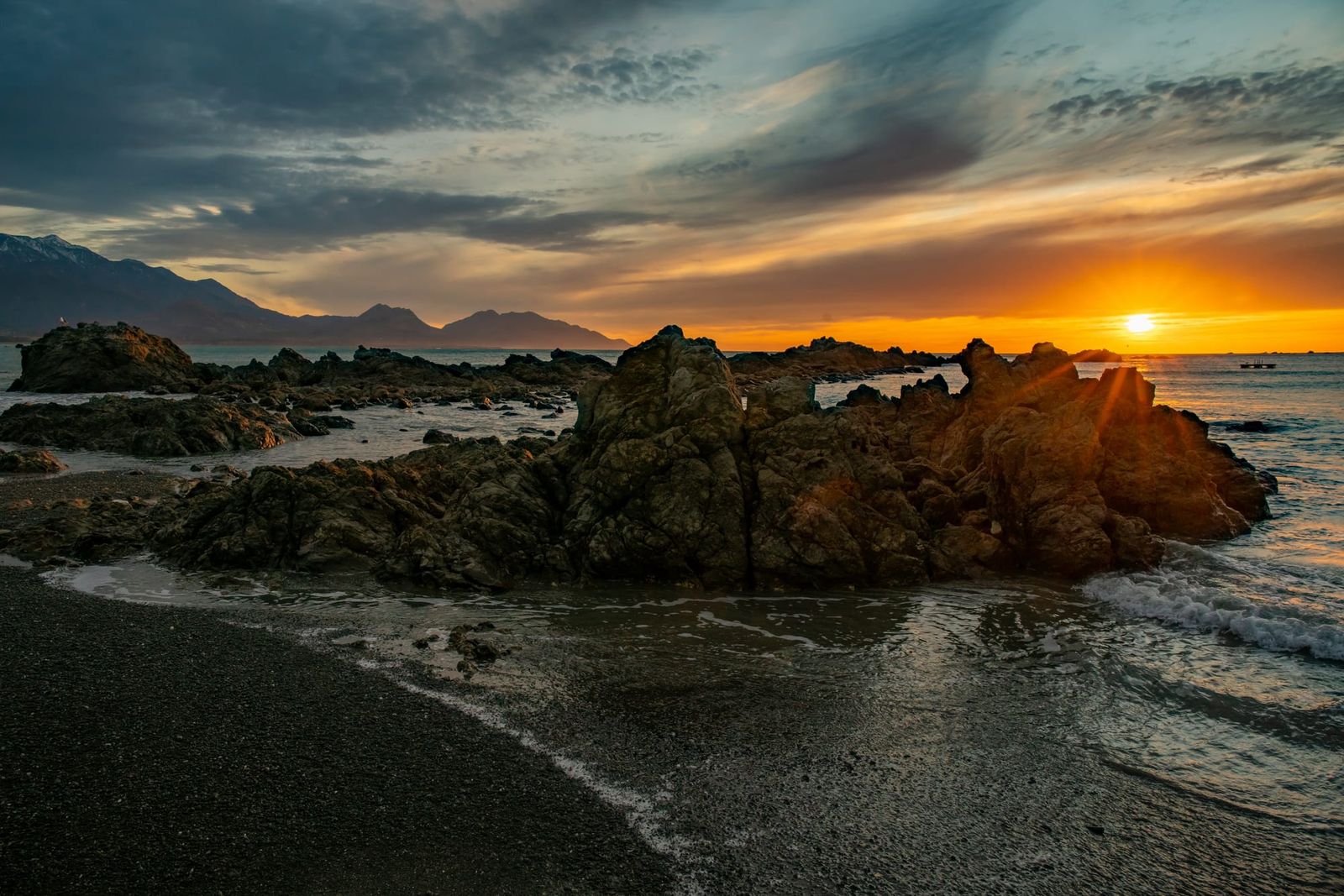
Coastal path offering views of the mountains and sea.
Historical cottage built on a whalebone foundation.
Expansive pebble beach ideal for coastal walks.
High-end lodge nestled in the forest.
Central district with various motels and apartments.
Simple lodgings with easy access to the station.
Join thousands of happy travelers who have discovered this incredible experience
Book Your Experience Now