

Quick answer
The best time of year for Kaikoura whale watching depends on your priorities: sperm whales are present year-round with 95% sighting success, but June through August brings migrating humpback and southern right whales alongside resident populations. Summer months from December to February offer calmer seas and longer daylight, making tours more comfortable for families and first-time visitors. Winter delivers the most diverse cetacean activity, though swells increase and sea conditions can be rougher.
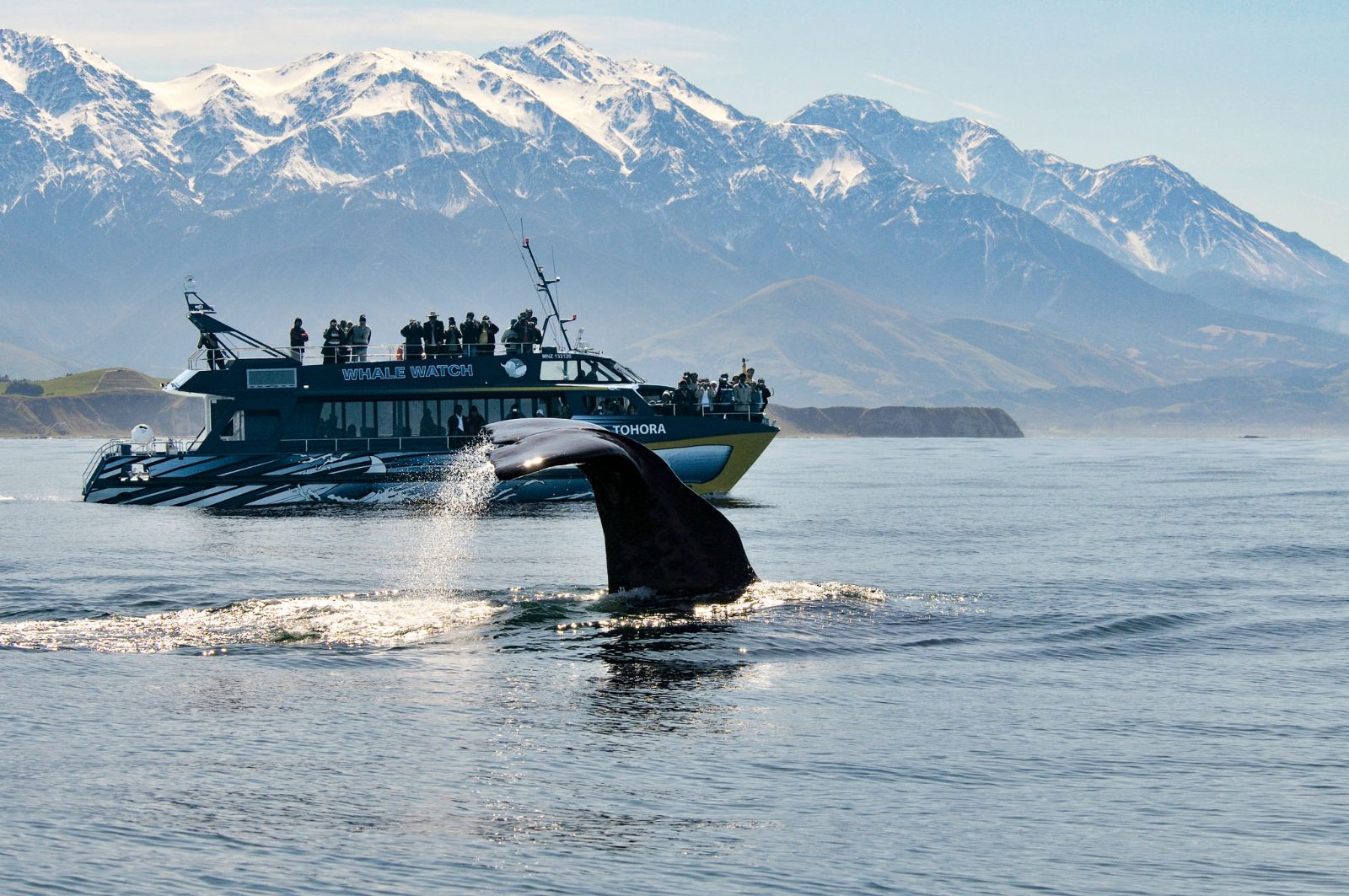
Sperm whales feed in the Kaikoura Canyon every month of the year, making this one of the few coastal locations worldwide where deep-diving cetaceans are accessible daily rather than seasonally. The canyon drops to over 1,600 metres less than a kilometre offshore, creating permanent hunting grounds for squid-feeding bulls that rarely migrate. When evaluating the best time of year for Kaikoura whale watching, three factors govern the experience: species diversity, ocean conditions, and tour availability. Winter months from June through August mark the southern migration corridor for humpback and southern right whales traveling between Antarctic feeding grounds and subtropical breeding areas. Dusky dolphins form larger super-pods during winter, and orcas patrol more frequently. Tours operate daily during this peak wildlife window, though southerly swells and shorter daylight hours mean rougher crossings and limited afternoon slots. Morning departures between 09:00 and 11:00 typically encounter calmer water before wind builds. Summer offers the inverse trade: fewer migrating species but significantly calmer seas, particularly from December through February when northeasterly patterns dominate. Families with young children and visitors prone to seasickness find summer tours more comfortable. The resident sperm whale population remains constant, and fur seal colonies are more active on coastal rocks. Tours run the full daily schedule from 09:00 to 16:30, and extended daylight allows flexibility for travelers coordinating multi-day South Island itineraries. Shoulder seasons in spring and autumn balance both advantages. September through November brings newborn dolphin calves and increasing humpback sightings as migration begins. March through May sees the return southern migration and stable weather before winter storms arrive. Visitor numbers drop outside the December-February peak, reducing booking pressure and allowing more spontaneous tour decisions. Sea conditions remain moderate, and the 175 NZD adult fare delivers strong value when multiple species appear on a single voyage. The optimal Kaikoura whale watching season ultimately depends on whether you prioritize species variety or sea comfort. Winter maximizes biodiversity but tests your sea legs. Summer sacrifices migratory spectacle for predictable conditions and operational ease. Year-round sperm whale presence means no month is a poor choice, but aligning your visit with personal tolerance for ocean swells and your interest in seasonal species will determine whether the trip becomes a highlight or a queasy ordeal.
“Sperm whales feed in the Kaikoura Canyon every month of the year, making this one of the few coastal locations worldwide where deep-diving cetaceans are accessible daily rather than seasonally.”
Kaikoura Whale Watching Best Time of Year: Seasonal and Daily Patterns
Whale watching in Kaikoura is a year-round activity because Giant Sperm whales reside in the local waters throughout all four seasons. Choosing your visit depends on balancing migratory patterns with preferred sea conditions.
Summer (Dec–Feb)
High volume of visitors16°C to 21°C; long sunny days. Marine life remains active, but expect busy bookings.
Autumn (Mar–May)
Moderate visitor numbers12°C to 17°C; stable and often calm seas. Many find this period offers the best balance of whale activity.
Winter (Jun–Aug)
Lower visitor numbers6°C to 12°C; colder but crisp conditions. Orca sightings are more frequent during these months.
Morning Slots
Variable demand—; sea conditions are typically calmest. Afternoon sea swells often increase, making morning tours the priority choice.
Verdict: For the best balance of stable sea conditions and consistent marine sightings, aim for morning tours during the shoulder seasons of April or October.
Kaikoura Whale Watching Best Time of Year: Operational Hours and Arrival
Kaikoura Whale Watch operates daily from 09:00 to 16:30. Visitors are encouraged to plan their arrival within this window to align with scheduled tour departures.
| Monday | 09:00–16:30 | |
|---|---|---|
| Tuesday | 09:00–16:30 | |
| Wednesday | 09:00–16:30 | |
| Thursday | 09:00–16:30 | |
| Friday | 09:00–16:30 | |
| Saturday | 09:00–16:30 | |
| Sunday | 09:00–16:30 |
Kaikoura Whale Watching Best Time of Year: Essential Pre-Visit Checklist
Prepare for maritime conditions and secure your spot with advance booking.
-
Book online in advance — Tours fill quickly during peak whale migration months.
-
Bring photo ID for check-in — Required at Whaleway Station Road before departure.
-
Wear layered, wind-resistant clothing — Ocean temperatures and spray create variable conditions year-round.
-
Pack motion sickness medication if needed — Swells can increase significantly during afternoon departures.
-
Arrive 30 minutes before departure — Check-in closes promptly and tours depart on schedule.
-
Confirm tour status on rough-weather days — Cancellations occur when sea conditions exceed safety thresholds.
Check availability
Frequently asked questions about kaikoura whale watching best time of year
Everything you need to know about kaikoura whale watching best time of year